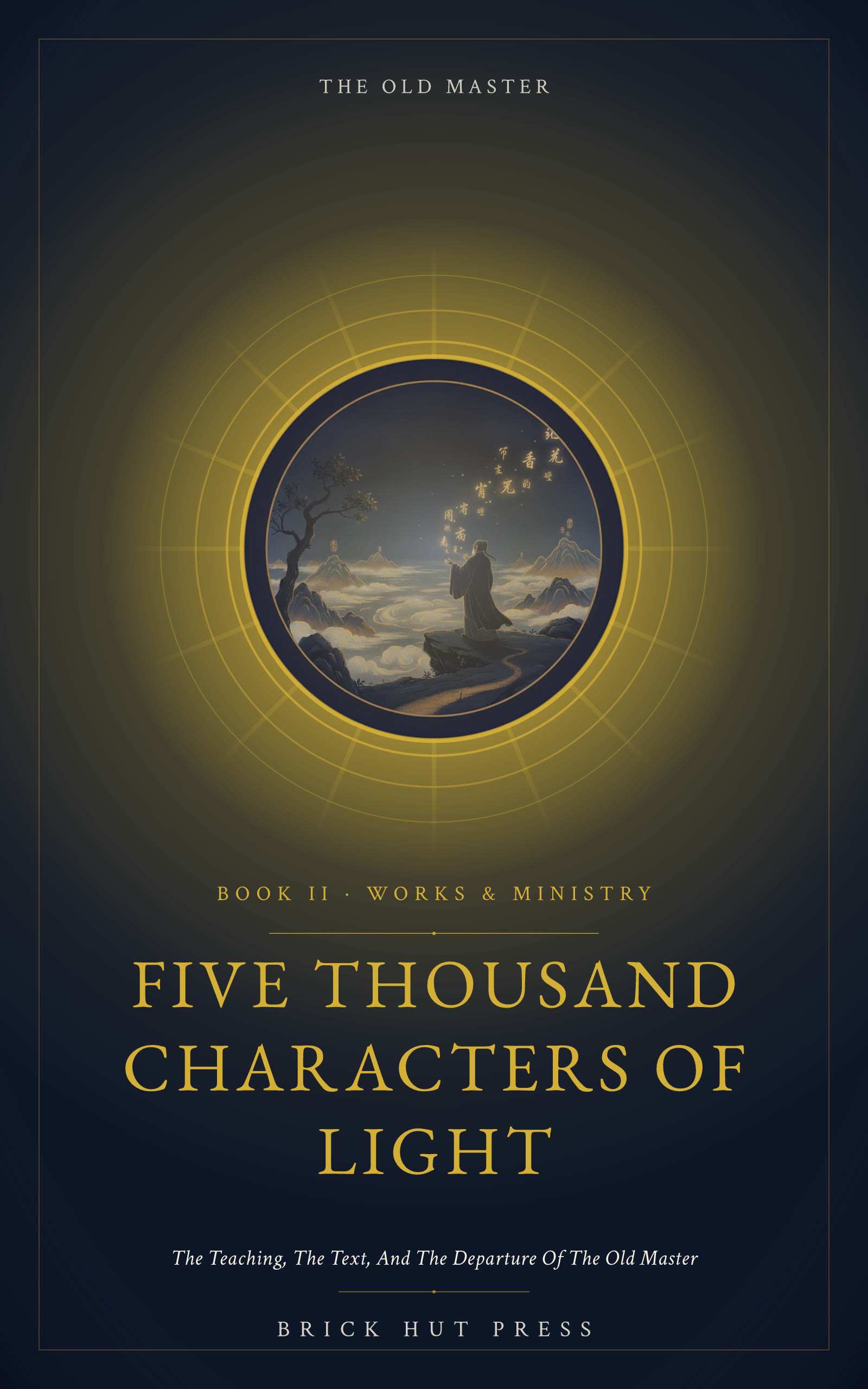
Five Thousand Characters of Light
He Taught Without Seeking Students. He Left Without Looking Back. And What He Left Behind Changed Everything. At the border of the known world, an old keeper of records paused long enough to write five thousand characters, and then disappeared into the west. What Lao Tzu left at that gate was not merely a text. It was the Tao Te Ching: the most translated, most meditated upon, most quietly revolutionary teaching in human history.
Read the full description
Five Thousand Characters of Light accompanies him there, through his mission, his disillusionment, and the breathtaking generosity of a sage who gave everything to those who would come after, asking nothing in return. This is a devotional journey for those who walk the Way. Not a commentary. Not an academic exercise. A sacred encounter with Lao Tzu as teacher, as living embodiment of the Tao, and as the one who chose silence over a world too loud to listen.
About this volume
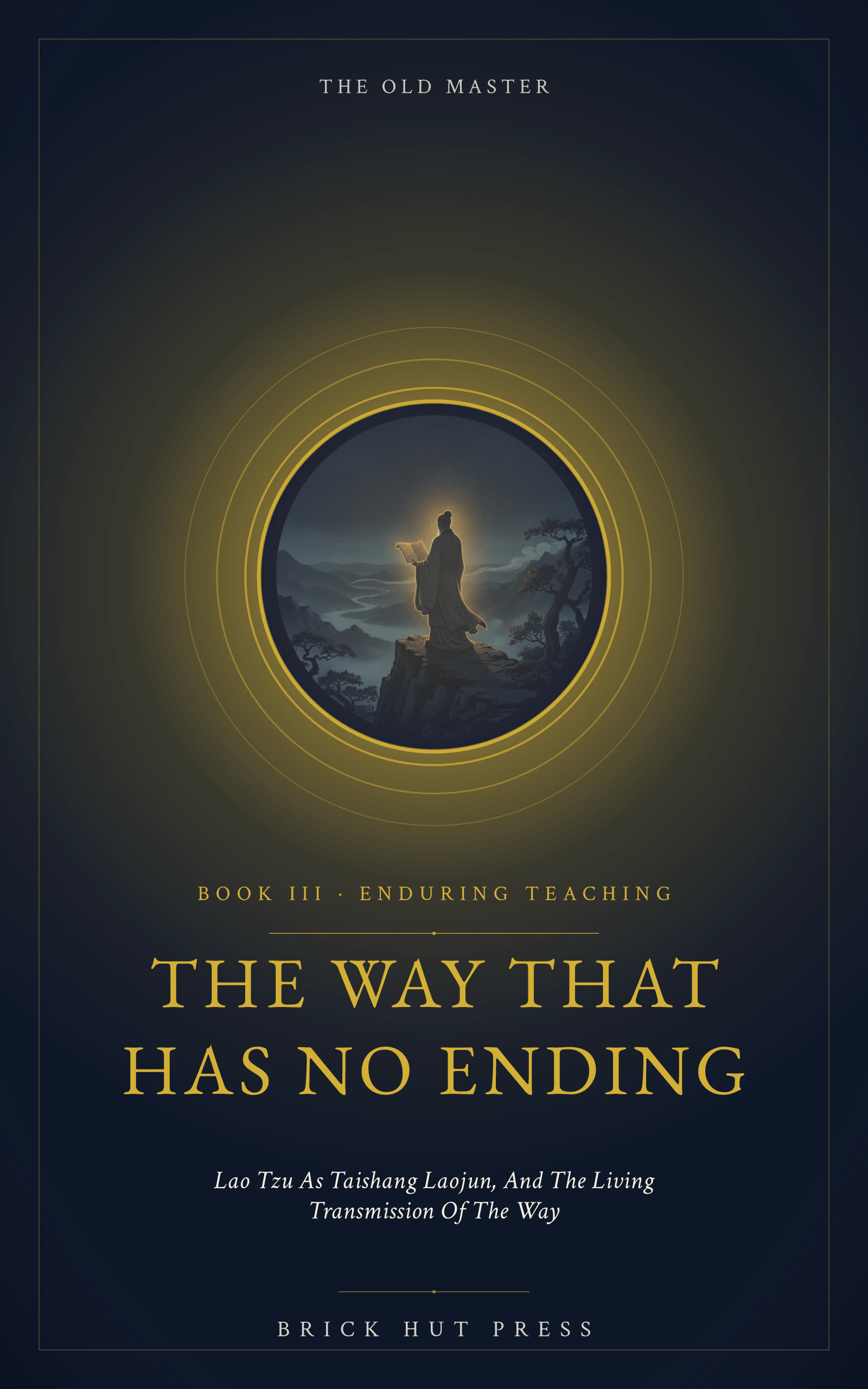
This second volume opens where the first left off: not with a man seeking followers, but with followers and critics alike finding their way to him, and leaving changed by an encounter they cannot quite name. The Shih-ch'eng Ch'i episode that opens the book sets the register for everything that follows. Lao Tzu does not argue, does not explain, does not defend. He simply remains what he is, and the people who come to test him discover, often only after they have left, that they were the ones being measured. This volume follows the Old Master through the years when his reputation as Keeper of the Archives had already begun to attract seekers, rivals, and the merely curious, and it asks what it meant for such a man to teach without ever founding a school.
The heart of this book is the long, patient encounter between Lao Tzu and Confucius, the meeting that Chinese tradition has turned over for twenty-five centuries without exhausting it. Here it is treated not as a contest of doctrines but as a genuine failure of translation between two different orders of understanding, where Confucius arrives with his careful questions about ritual and right conduct and leaves having touched something he cannot file into any category he owns. Alongside this central meeting, the book widens to show the other seekers who came to the gate of the archive: officials, wanderers, and students of rival schools, each testing the Old Master against their own measure and each walking away with a different piece of him, because he offered no single face for anyone to carry home.
From there the volume turns to teaching itself, and to the image that would come to define the whole tradition: water, which overcomes the hard by yielding, which seeks the low places everyone else avoids, and which Lao Tzu is shown offering as instruction long before it hardened into text. The chapters on "The Eighty-One Rooms of Silence" and "The Virtue That Needs No Name" take up the peculiar difficulty of teaching a way that cannot be named without already betraying it, and the book does not pretend this tension resolves easily. It sits with the paradox the way the Old Master himself seems to have sat with it, patiently, without forcing an answer where none is wanted.
The second half of the volume turns outward, toward the unraveling of the Zhou court and the slow pressure that finally makes the capital unlivable for a man who has spent his life refusing to compete for position. "Non-Action in the Middle of an Unraveling World" and "When the Court Could No Longer Hold Him" trace this pressure without melodrama, showing a sage who does not flee in crisis so much as recognize, with the same stillness he showed Shih-ch'eng Ch'i, that his season in that place has ended. What follows is the journey west that every tradition of China has returned to again and again: the road, the gate, and the gatekeeper Yin Hsi, who will not let the Old Master pass until he leaves something behind.
That something is the Tao Te Ching itself, and the volume's two final movements, "Five Thousand Characters Written at the Edge of Forever" and "Into the West, Into the Unnameable," treat its composition not as a literary event but as a parting gift wrung from a man who had spent his whole life resisting the idea that the Way could be captured in words at all. The book does not claim to know what became of him beyond the pass. It stays, instead, with the gate, the gatekeeper, and the text, and lets the mystery of the departure remain exactly as unresolved as the tradition itself has always kept it. Readers who want to understand not only what the Old Master taught but what it cost him to leave it behind will find that story carried here with the same patience the text itself asks of its readers.
Not sure yet? Begin freely.
Born Already Old: An Invitation to Lao Tzu, a complete portrait of this life, free, kept in your own library here. The door into all 3 volumes.
Receive the free book →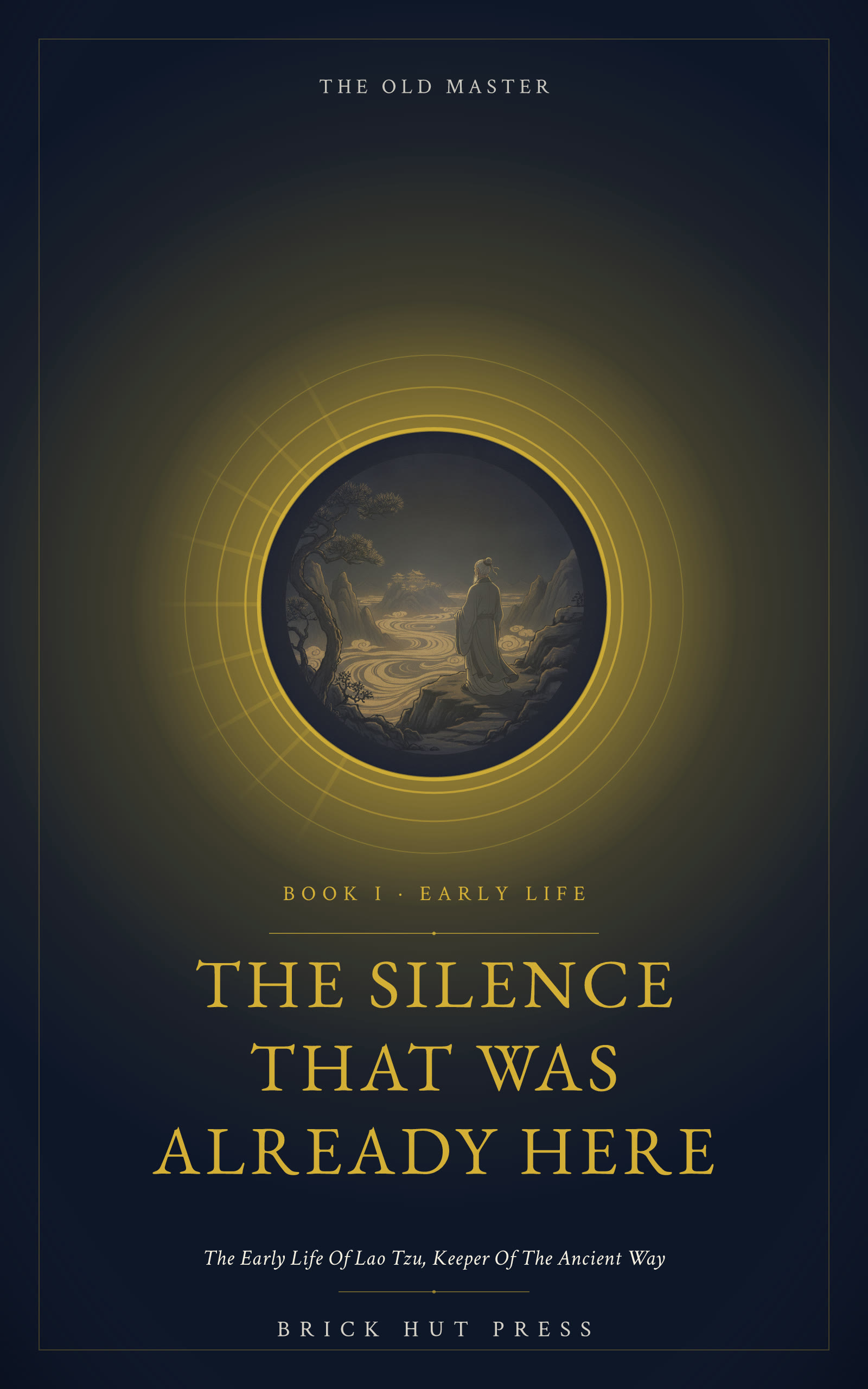
Lives that walk beside Lao Tzu, chosen for their likeness, not their fame.