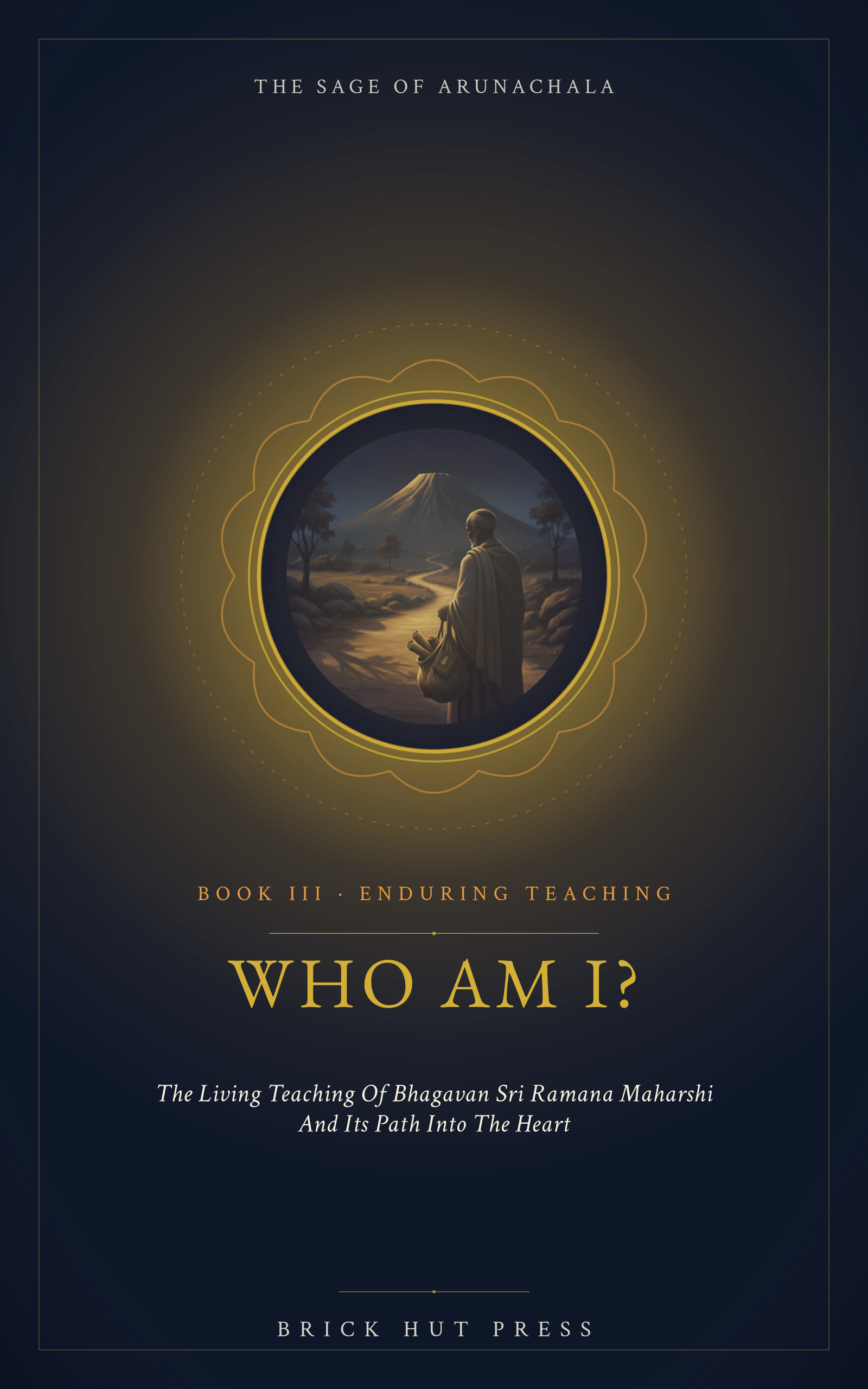
Who Am I?
One luminous key for every sincere seeker: turn attention toward the one who asks, and stay there.
The Question That Dissolves Every Other Question Bhagavan Sri Ramana Maharshi gave every sincere seeker the same luminous key: turn attention toward the one who asks, and stay there. In that single, radical pointing lies a complete path, from the restless surface of ordinary thought all the way to the silence that is the Self.
Read the full description
This warm, precise companion opens his essential teachings and traces the living way they illuminate, step by patient step, from first enquiry into the very Heart of being. Self-enquiry is not a technique reserved for monastics or scholars. It is available to any earnest heart, in any moment, exactly as it is. Who Am I?, The Living Teaching of Bhagavan Sri Ramana Maharshi and Its Path into the Heart meets you wherever you stand, whether you have only just encountered Ramana's grace or have walked with his teaching for years, and walks gently forward with you into the depth his words never cease to reveal.
Not sure yet? Begin free.
The Hill That Waited, a complete book about this life, free, kept in your own library here, read and heard.
Receive the free bookAbout this volume
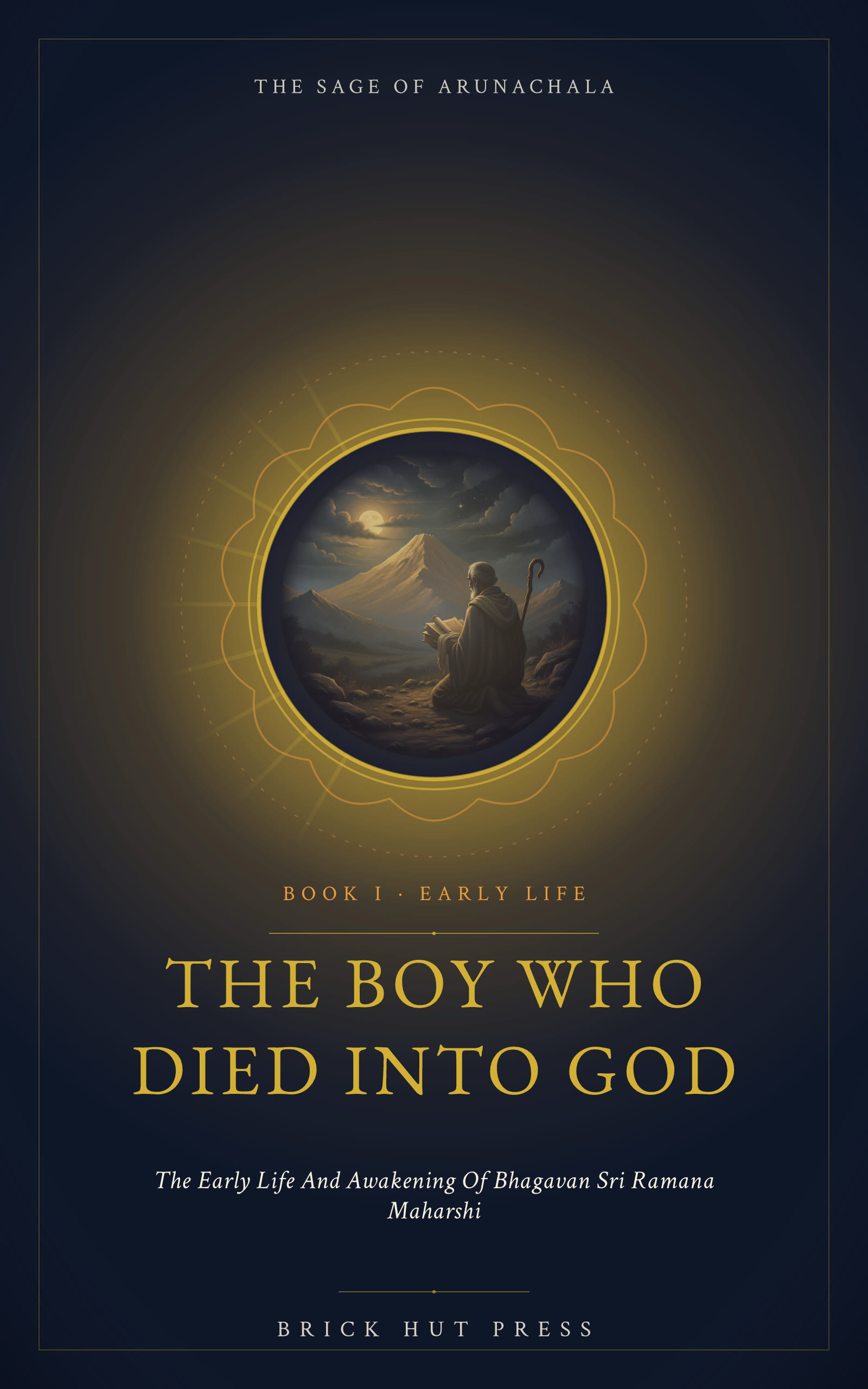
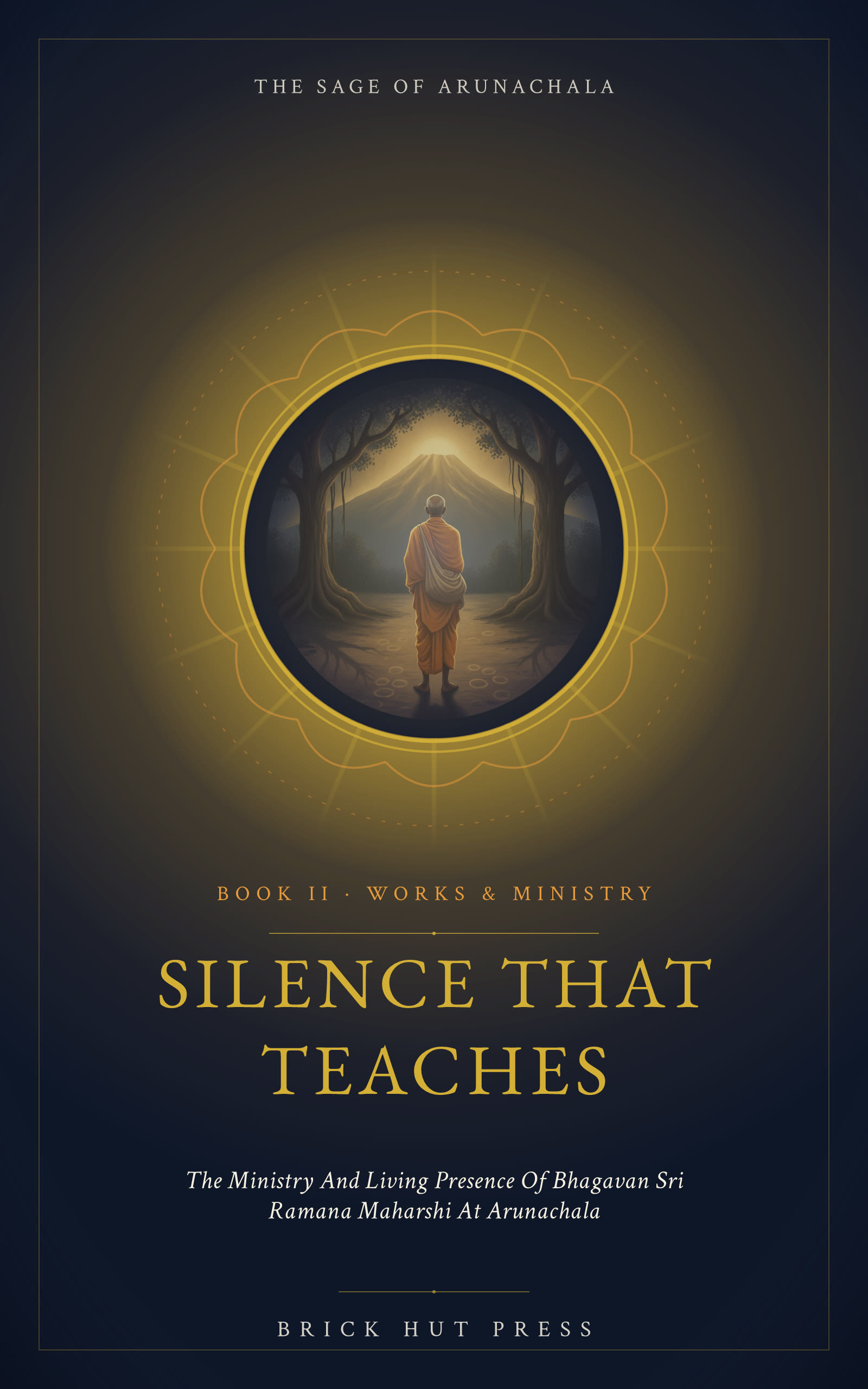
This is the third volume of the series, and it turns from the outer record of the life to the teaching that made the life worth recording. Readers who have followed the first two books through the caves of Arunachala and the years of unbroken silence now arrive at the question Sivaprakasam Pillai carried up the hill in 1902, the question that a revenue official's slate and a wandering finger in cave-floor sand preserved for us: how does a man come to know himself. That question, and the answer built from it, is the spine of everything that follows.
The volume opens with the Nan Yar, the "Who Am I?" text itself, tracing how fourteen scattered questions became a continuous essay in Bhagavan's own hand, and then moves carefully into the mechanics of the practice he called self-enquiry. Chapter Two takes up a distinction that matters enormously to anyone who has tried and failed at meditation before: that vichara is not another effort added to the mind's already considerable store of efforts, but a redirection of attention, a turning of the very instrument that goes outward in search of everything else back toward the one who is searching. This is not mysticism for its own sake. It is presented as something closer to a method, patient and repeatable, and the book does not shy from showing how ordinary and how demanding that patience actually is.
From there the volume widens its lens without losing its center. A chapter on bhakti and vichara insists, in a way faithful to Bhagavan's own teaching, that devotion and enquiry are not two competing roads but one road seen from two positions, that surrender to the Self and the asking of "who am I" are the same gesture wearing different clothes. Two chapters then turn to the written teachings themselves, Ulladu Narpadu (the Forty Verses) and Upadesa Saram, treating them not as museum pieces to be quoted reverently and set aside but as compact, working maps, plain-spoken enough that a serious reader could carry them for years. The chapter on Upadesa Saram in particular takes seriously Bhagavan's insistence that every genuine path, however it is dressed, ends at the same summit.
The book then does something unusual for a volume of teaching: it does not separate doctrine from the man who held it, and gives real weight to what could not be written down. "What the Silence Said" takes up the transmission that passed between Bhagavan and those who sat before him without a single word exchanged, a current the tradition has always insisted was as real, and often more effective, than any verbal instruction. This sets up the volume's most tender stretch, the chapters on Bhagavan's final illness, "The Illness That He Wore Lightly," and the question a grieving devotee is said to have put to him as his body failed, "Where are you going?" The book stays close to what the tradition itself remembers here: the composure, the refusal of drama, and the promise, examined without sentimentality, that presence does not depend on a body.
The closing chapters bring the teaching home to the ashram at Tiruvannamalai and, more importantly, to the reader's own life. Sri Ramanasramam is described not as a shrine to be visited once but as a hearth that continues to burn, and the final two chapters, "The Self Is Not Far" and "Ask. Be Still. Return," make the case, gently and without exaggeration, that this teaching was never meant to end with Bhagavan's body. For anyone who has wondered whether self-enquiry is a historical curiosity or a living discipline they might actually take up this week, this volume answers plainly: it is asked to be lived, not merely admired, and it asks only that the question be put honestly and returned to, again and again, until the one asking it disappears into the answer.
Lives that walk beside Bhagavan Sri Ramana Maharshi, chosen for their likeness, not their fame.