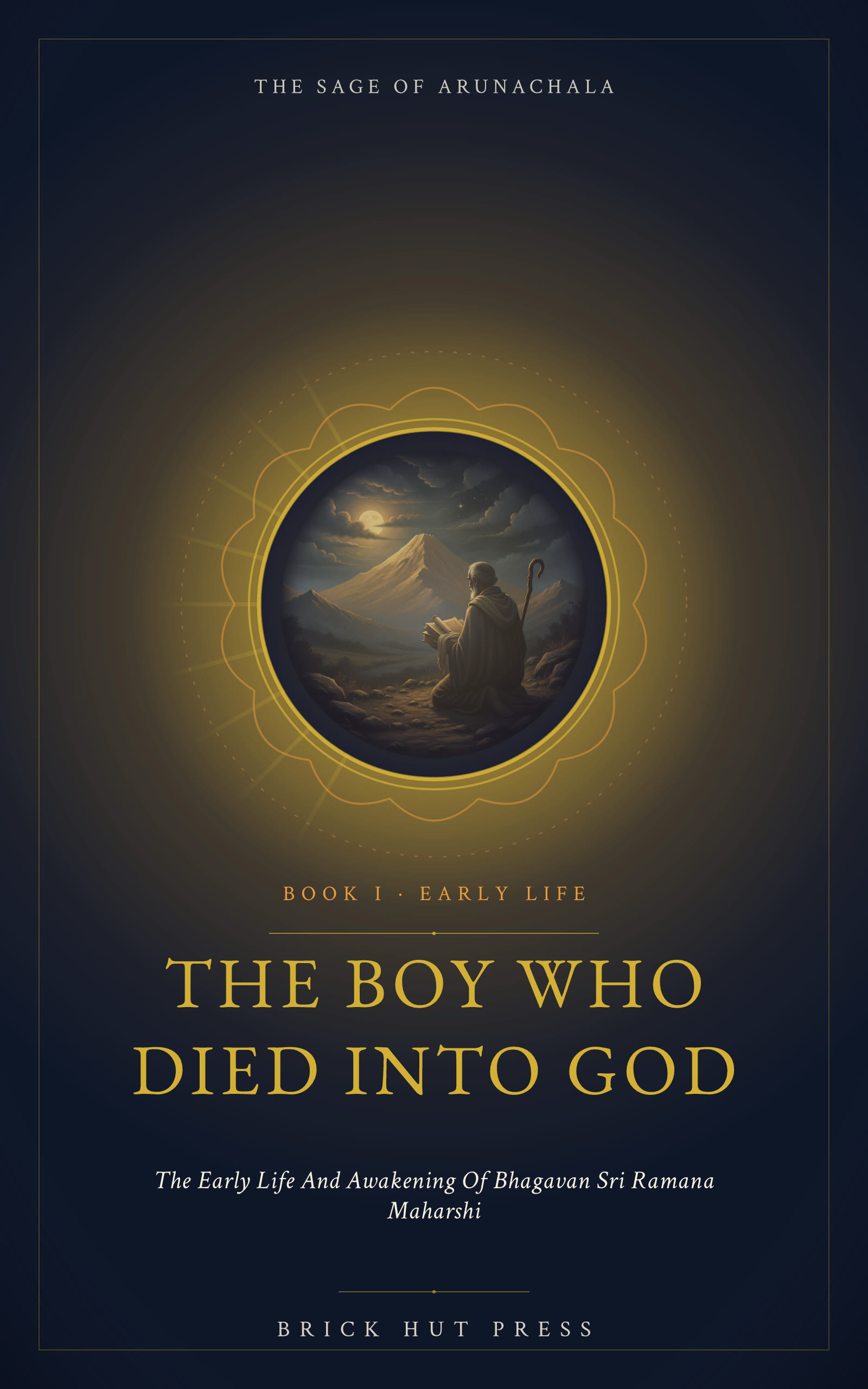
The Boy Who Died into God
An ordinary afternoon in 1896: a sixteen-year-old lay down, surrendered to death completely, and something vast and deathless woke in his place.
Before He Was Bhagavan, He Was a Boy, and Then Death Came for Him On an ordinary afternoon in 1896, a sixteen-year-old Tamil schoolboy lay down on the floor of his uncle's house and allowed death to take him completely. He did not resist. He did not cry out. He simply surrendered, and in that total surrender, something vast and deathless woke up in his place. The boy named Venkataraman was gone.
Read the full description
What remained would one day be known to the world as Bhagavan Sri Ramana Maharshi, the sage of Arunachala, one of the most radiant spiritual presences of the modern age. This is the story of how he got there. The Boy Who Died into God is a devoted, unhurried, and deeply reverent account of Ramana Maharshi's early life, from his birth in the sacred Tamil village of Tiruchuzhi, through his boyhood in Madurai, to the thunderclap of his awakening and the irresistible pull that drew him, alone and barefoot, to the holy mountain of Arunachala. It is a book for those who feel in their bones that this story is not merely history, it is a living transmission.
Not sure yet? Begin free.
The Hill That Waited, a complete book about this life, free, kept in your own library here, read and heard.
Receive the free bookAbout this volume
There is a particular difficulty in writing about a boy who becomes, in one unremarkable afternoon of his seventeenth year, someone the world will one day call Bhagavan. The difficulty is not a lack of material; it is that the ordinary details, once you know what they precede, refuse to stay ordinary. This volume takes on that difficulty directly. It begins not in Tiruchuzhi, where the boy was born, but on the hill itself, at Arunachala, walked in the present tense by pilgrims whose feet have worn the red laterite soft at its edges. The choice is deliberate. Before the book ever introduces the household of Sundaramurti Iyer, before it tells you anything about a peculiarly heavy sleeper who could not be roused even when beaten by his playmates, it wants you to understand that the hill was already waiting. The boy had not yet heard its name.
The chapters that follow move at the unhurried pace of a village childhood that gives almost no warning of what it contains. We are shown Tiruchuzhi, a temple town the gods are said not to have forgotten, and a household where devotion was not doctrine but the texture of daily life, meals and festivals and the small rhythms of a Brahmin family in the Tamil country. The chapter on "The Boy Himself" lingers, rightly, on strangeness that looked like nothing at the time: his unusual strength, his famous depth of sleep, a stillness that those around him noticed without being able to name. Nothing here is presented as portent dressed up after the fact. The volume is careful to let the boy remain a boy, unremarkable to his family, before it lets the reader watch, chapter by chapter, how quickly that changes.
Two turns organize the book's middle movement. The first is literary and almost quiet: an elder's mention of the Periyapuranam, the great Tamil hagiography of the Shaiva saints, opens something in the boy that his schoolwork never had. The second turn is a single word, Arunachala, heard offhand from a relative recently returned from pilgrimage, and the volume treats this hearing with the gravity it deserves, "the name that struck like lightning." These two chapters are the hinge on which the entire early life turns, and the book resists the temptation to rush past them toward the more dramatic scene that follows.
That more dramatic scene is, of course, the afternoon of 1896, given its own chapter under a title that states plainly what the tradition has always held: this was a death, and something did not survive it. The volume does not sensationalize the sudden seizure of fear, the boy's decision to lie down and enact his own dying, or the calm certainty that arose on the other side of it. It simply presents the event as the boy himself is said to have understood it afterward, and lets the six strange weeks that followed, weeks in which he moved through Madurai's schoolrooms and his uncle's household as someone no longer at home in either, carry their own weight. The world he had lived in the day before no longer fit him. The book is patient with how visible and how uninterpretable that misfit was to everyone around him.
The volume closes as it must, with departure. The letter left on the writing pad, addressed to his elder brother, is reproduced and considered for what it withheld as much as what it said, and the journey away from Madurai, by rail and by foot, ends where the first chapter always knew it would: at the base of Arunachala, where the hill, in the book's own phrase, receives its own. Readers who come to this volume already devoted to Bhagavan Sri Ramana Maharshi will find the familiar milestones of the traditional biographies treated with unhurried attention; readers new to him will find a childhood rendered in enough concrete, local detail, the red soil, the temple town, the Tamil hagiographies, that the awakening at its center arrives not as legend imported from elsewhere but as something that grew, inexplicably, out of this particular boy, in this particular place, under this particular hill.
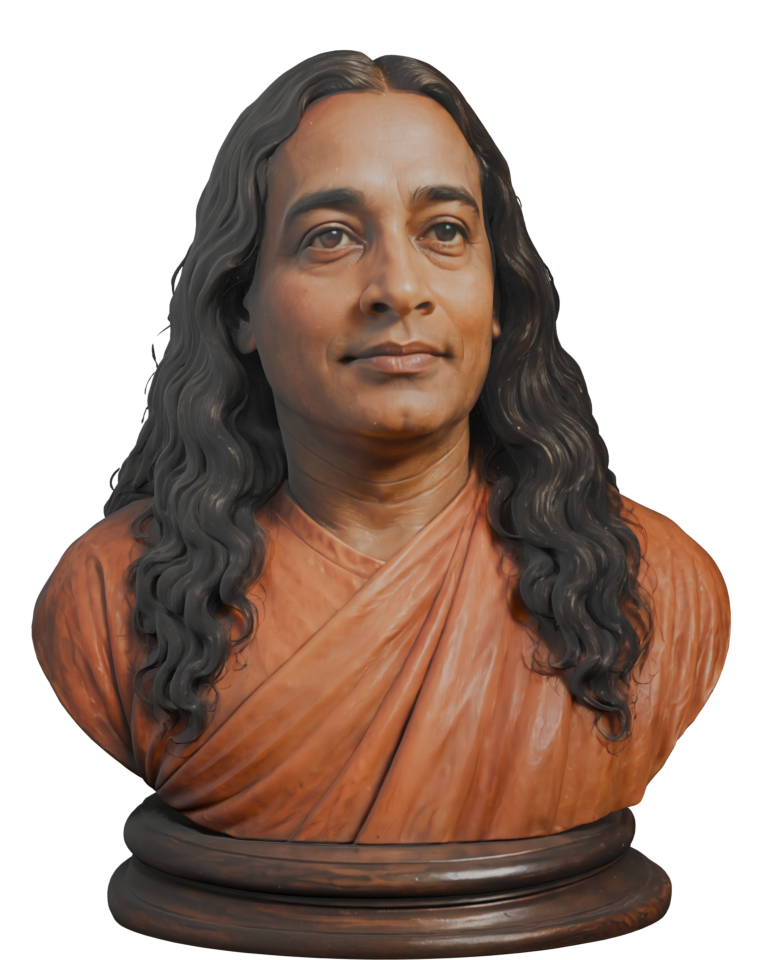
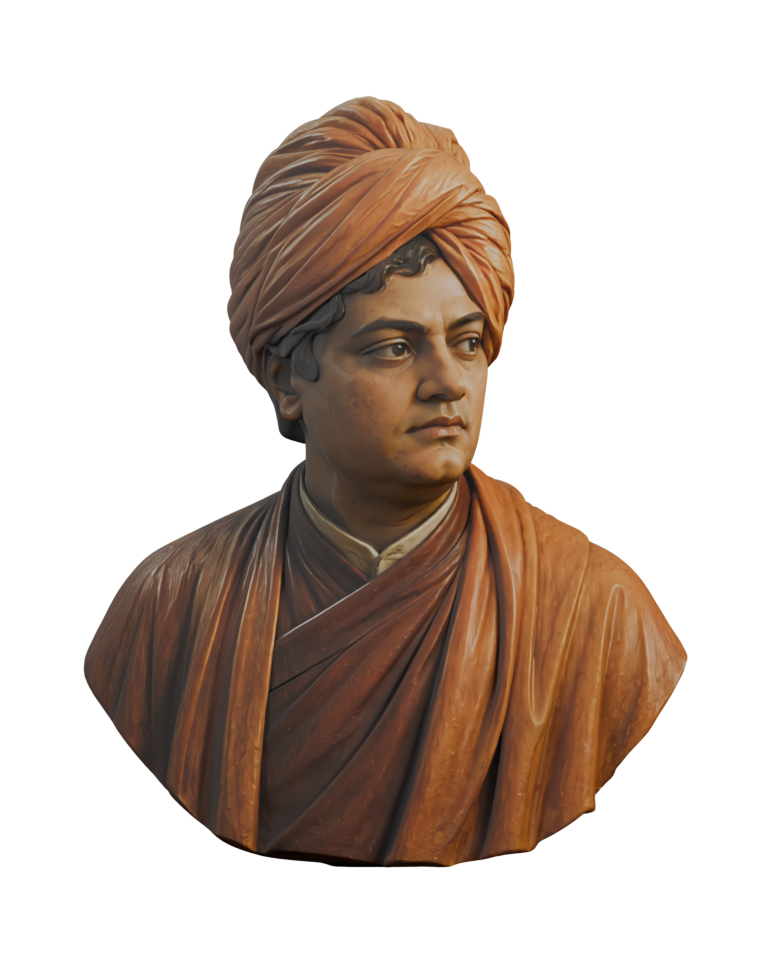
Lives that walk beside Bhagavan Sri Ramana Maharshi, chosen for their likeness, not their fame.