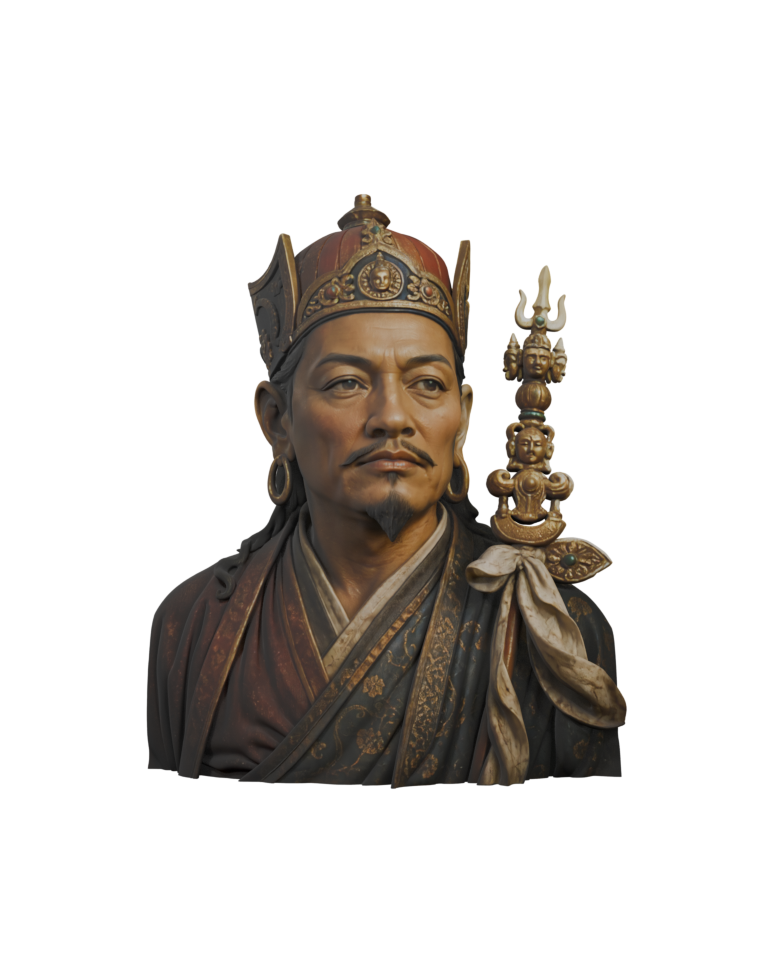
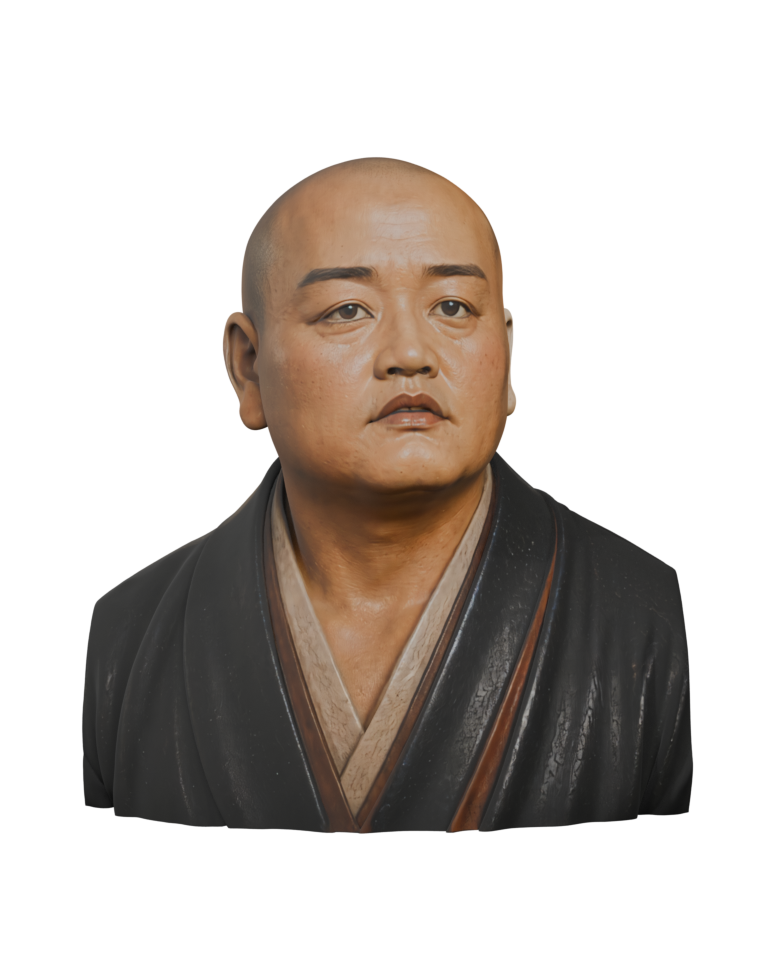
The Boy Who Fell in Love with the Buddha
Not with a person, but with a presence.
He Saw a Smiling Buddha on a Magazine Cover, and Knew His Life Would Never Be the Same Before the bestselling books, before the retreats that changed millions of lives, before the walking meditations and the bells of mindfulness echoed around the world, there was a boy in Huế, Vietnam, who fell in love. Not with a person, but with a presence. With a possibility. With a path.
Read the full description
The Boy Who Fell in Love with the Buddha tells the story most devoted practitioners have never fully heard: the early human life of Thich Nhat Hanh, Thay, the novice monk who became a poet, a reformer, and one of the most beloved spiritual teachers of the modern age. This is not the story of the icon. This is the story of the soil from which the icon grew. A Portrait of the Teacher as a Young Soul Long before Thay taught the world to breathe, he had to learn to breathe himself. Long before he led others into stillness, he wrestled with longing, uncertainty, and the ache of a young heart reaching toward something it could not yet name. This book follows those formative years with intimacy, depth, and reverence, tracing the landscapes, the losses, the friendships, the silences, and the awakenings that quietly shaped a great teacher. For those who have sat with The Miracle of Mindfulness , walked slowly through a Plum Village retreat, or felt their breath deepen at the sound of a mindfulness bell, this is the missing chapter. The human story behind the teaching. The roots beneath the tree you already love.
Not sure yet? Begin free.
The Smile That Held the World, a complete book about this life, free, kept in your own library here, read and heard.
Receive the free bookAbout this volume
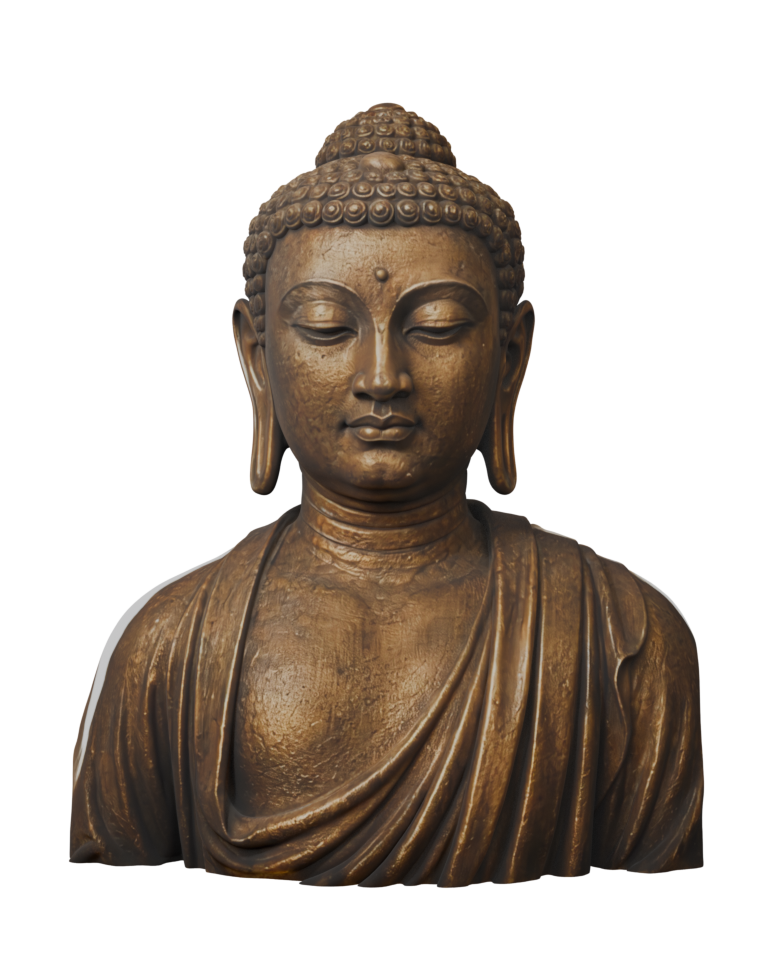
This first volume of Thay: A Life in the Dharma begins not with robes or titles but with a boy on an ordinary afternoon in Hue, leafing through a borrowed magazine, and finding in it an image he could not put down. That image, a Buddha seated on green grass with a smile that needed nothing else to complete it, becomes the quiet axis around which this entire book turns. The Boy Who Fell in Love with the Buddha traces the years before anyone called him Thay, when he was still Nguyen Xuan Bao, a child of the Imperial City learning to notice the distance between the gilded Buddha of pagoda altars and something closer, simpler, and more urgently alive.
The chapters that follow move through the textures of a Vietnamese childhood with unhurried attention: the lotus ponds of Hue, the particular hunger that was not only physical but spiritual, a longing the book calls "the hunger beneath the hunger." Readers watch a boy whose interior life was already unusually furnished walk toward Tu Hieu Temple and pass through its gate, not as a dramatic rupture but as the next true step in a story already underway. What follows at Tu Hieu is not a swift ascent toward enlightenment but the slow, deliberate curriculum of monastic formation: chopping wood, carrying water, learning to be useful before learning to be wise. The volume treats this apprenticeship with the same reverence it gives the mountain vision, understanding that for Thien practice, the kitchen and the meditation hall are not separate rooms.
The middle chapters carry real historical weight without ever losing the intimate register established at the outset. "Storms Over the Perfume River" and "The Poet Puts on Robes" situate the young monk's formation against the upheavals of a Vietnam already straining under colonial pressure and the first tremors of the conflicts to come. Here the book pays close attention to something easy to overlook in hagiography: that this was a young man with a poet's ear and a restless mind, someone whose devotion did not flatten his curiosity but sharpened it. "A Buddhism Too Small for This World" and "The University and the World" follow him toward the conviction, already forming in these early years, that the dharma he had inherited needed to widen its reach, that contemplative practice and engagement with suffering in the world were not two paths but one.
By the time the volume reaches "The Name He Was Given" and "First Words, First Fires," readers are watching the emergence of a distinct voice and vocation, though the book is careful not to rush this emergence or dress it in retrospective inevitability. The final chapter, "The Roots That Hold," closes this volume the way a good root system should: not with a dramatic flourish but with the sense of something deeply, quietly established, ready to support what grows from it in the volumes to come.
This is a book for readers who want to understand how a life of such consequence for Buddhism in the modern world, and for the Plum Village tradition that would eventually carry his teaching across continents, had its true beginning in a child's unguarded wonder. It does not presume to explain Thich Nhat Hanh's later teaching before its time, nor does it borrow authority from what came after. It stays faithful to the scale of childhood and early monastic life, trusting that the roots of his later clarity, his insistence on presence, his refusal to separate inner peace from engagement with a suffering world, are already visible here, in Hue, on the grass, in the smile that organized everything that followed.

Lives that walk beside Thich Nhat Hanh, chosen for their likeness, not their fame.