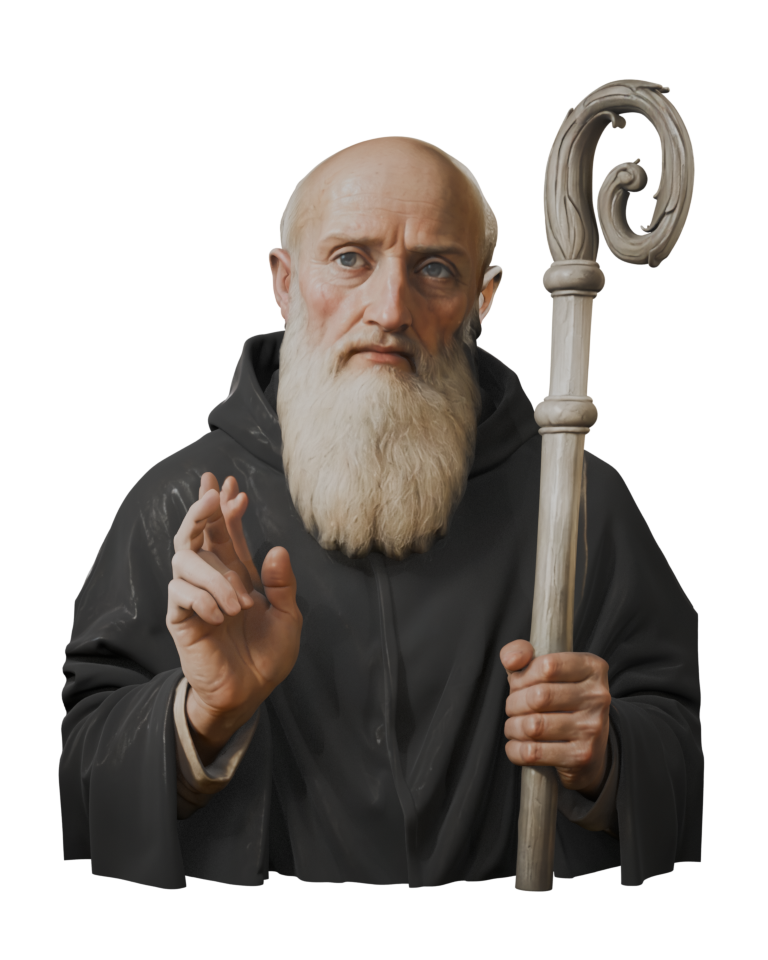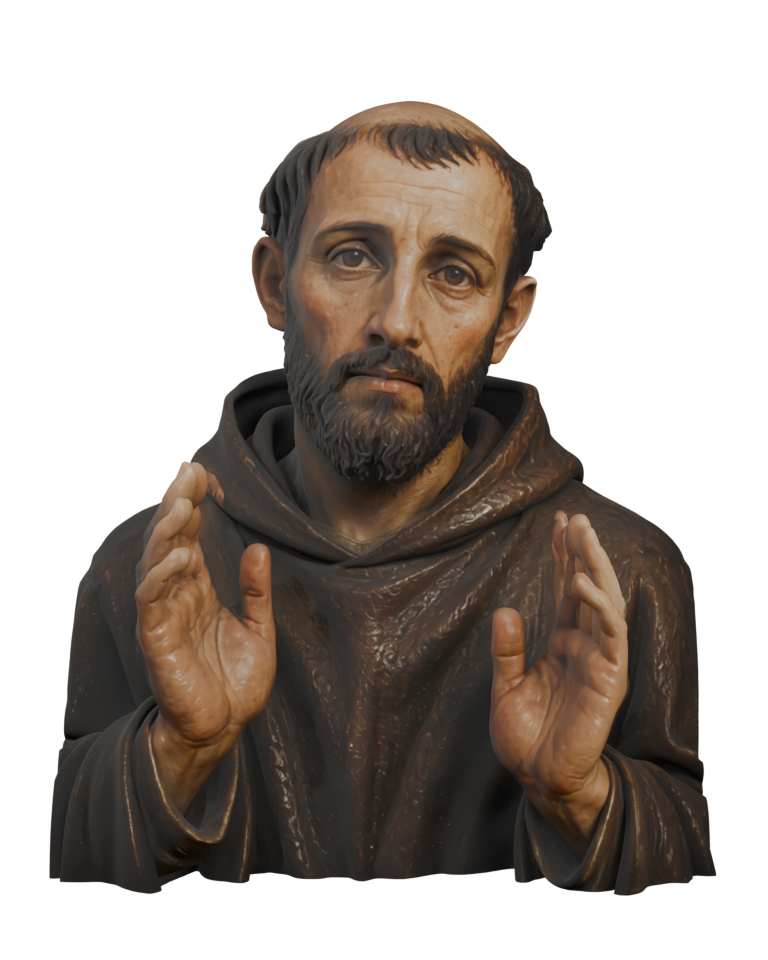
The Boy from Lisbon
Before He Found What Others Had Lost, He Had to Lose Everything Himself Fernando de Bulhões was born into privilege in Lisbon, trained among the finest scholars of his age, and ordained into one of the Church's most respected religious orders. He had every reason to believe his path was settled.
Read the full description
Then God closed every door he had carefully opened, and from the rubble of those thwarted plans, Saint Anthony of Padua emerged: preacher, miracle-worker, hammer of heretics, and the gentle patron millions whisper to when something precious goes missing. The Boy from Lisbon tells that story from the inside, not as hagiographic biography alone, but as a devotional account written warmly from within the tradition Fernando made his own. This is the human soil beneath the halo: the cathedral schoolboy, the Augustinian canon wrestling with restlessness, the young friar who nearly perished at sea chasing a martyr's crown in Africa, and the exhausted man who gave an unplanned sermon one afternoon and changed the history of the Church forever.
About this volume
This first volume of Il Santo opens not with the wonderworker of Padua that most readers already carry in their minds, pocket saint of lost keys and lost causes, but with a boy named Fernando, born within hearing of the Sé of Lisbon's bells, into a noble household still warm with the memory of a city's reconquest. That choice sets the tone for everything that follows. Before the preaching, before the fame that would eventually reach even Pope Gregory IX, there is a child the cathedral itself seems to claim, a family of knightly standing, and a Lisbon that is not yet the settled capital of later centuries but a frontier city breathing the aftershock of 1147. Readers who want the saint without the boy will not find him here; this volume insists that the cost of what Fernando later became can only be measured against what he first had.
The chapters trace a single, coherent decision taking shape over roughly fifteen years, and the book is patient about it. "A Door in the Cloister Wall" and "The School of Holy Cross" follow Fernando into the Augustinian life at Santa Cruz in Coimbra, where the volume lingers over the grinding, unglamorous work of formation: the Latin, the Scripture, the long hours that built the preacher before anyone knew a preacher was being built. "The Ordination and the Silence After" sits deliberately with the quiet that can follow a vocation's first great threshold, a silence the book does not rush past or explain away. These are not chapters of visions and miracles. They are chapters of rooms, rules, and the slow discipline of a young canon who has not yet become anyone in particular.
The hinge of the volume is the arrival of the Franciscan martyrs' relics, the moment the book calls "Five Heads Carried Home." It is here that Fernando's settled Augustinian life cracks open, and the volume treats this turn with real gravity: not as a plot device but as the kind of encounter with witness and blood that can reorder a life in an afternoon. What follows, "The Habit He Asked For," is handled with similar restraint, honoring both the boldness of the request and the cost it represented to a family and an order that had already invested so much in him. By the time the book reaches "Africa or Death," the reader understands exactly what is being risked and why a young man raised in a noble house near a cathedral would choose, instead, the coarse grey habit of the Friars Minor and the ships bound for Morocco.
The volume's final movement is the quietest and, in its way, the most important: "The Wind That Chose for Him," "The Hermitage at Monte Paolo," and "The Voice No One Expected" carry Fernando, now clothed as a Franciscan and newly named Anthony, away from the mission he sought and into the obscurity he did not choose. Storm-driven back to Italy, set to menial labor at Monte Paolo, he disappears for a season into hiddenness before an unplanned moment of preaching reveals, almost against his will, the gift that will define the rest of his life. The book is careful here: it does not let the famous orator arrive too soon. It wants the reader to feel the years of silence that preceded the voice.
What this volume offers, then, is not the shrine-saint of the thirteenth century already fixed in bronze and legend, but the Lisbon boy, the Coimbra canon, the would-be martyr turned hermit, each stage given its full weight before the next is allowed to begin. It is a fitting first volume for a series that means to take Il Santo seriously as a man formed in time, place, and obedience, long before he became the voice the whole Church would come to trust.
Not sure yet? Begin freely.
The Saint Who Finds What Is Lost: An Invitation, a complete portrait of this life, free, kept in your own library here. The door into all 3 volumes.
Receive the free book →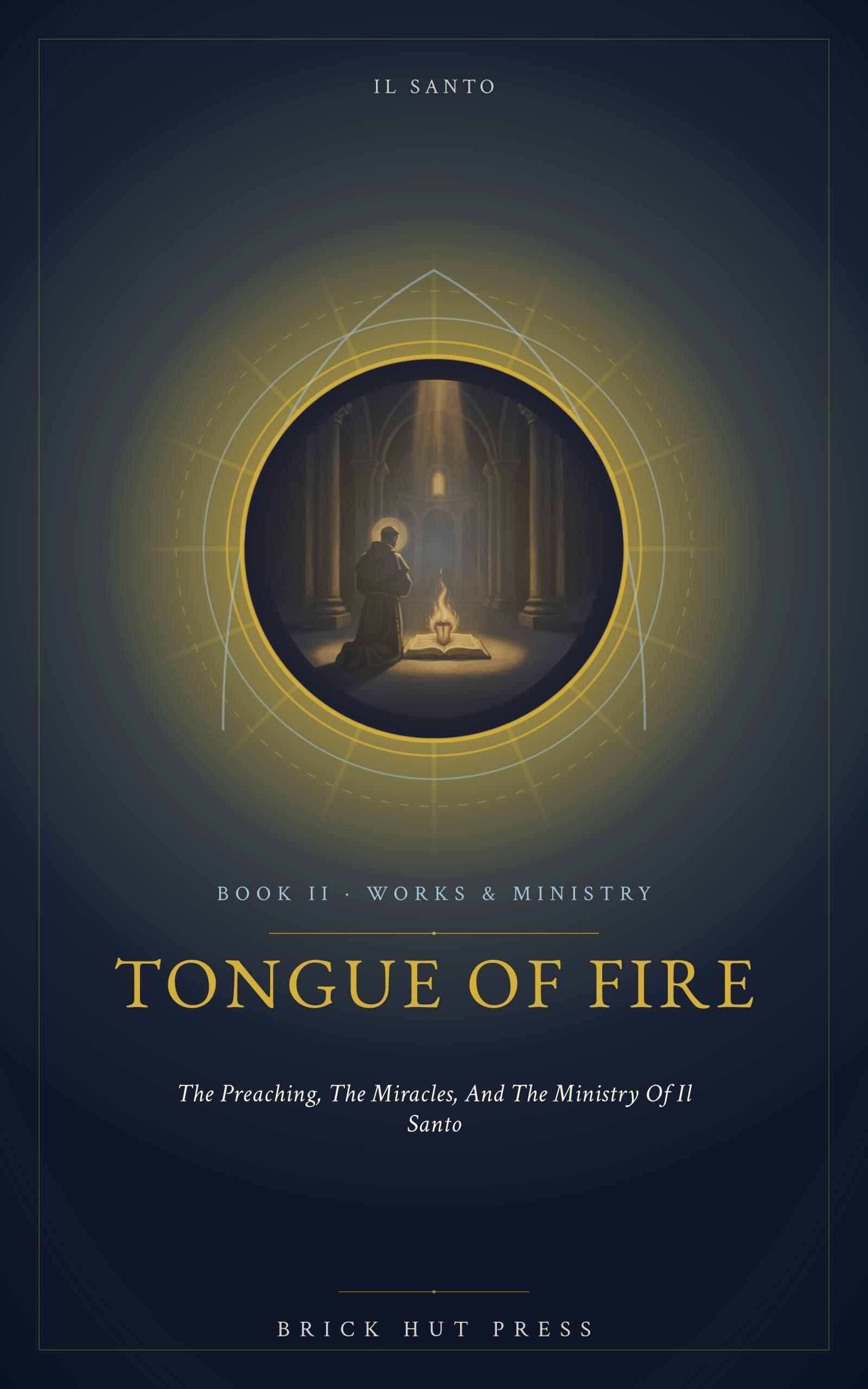
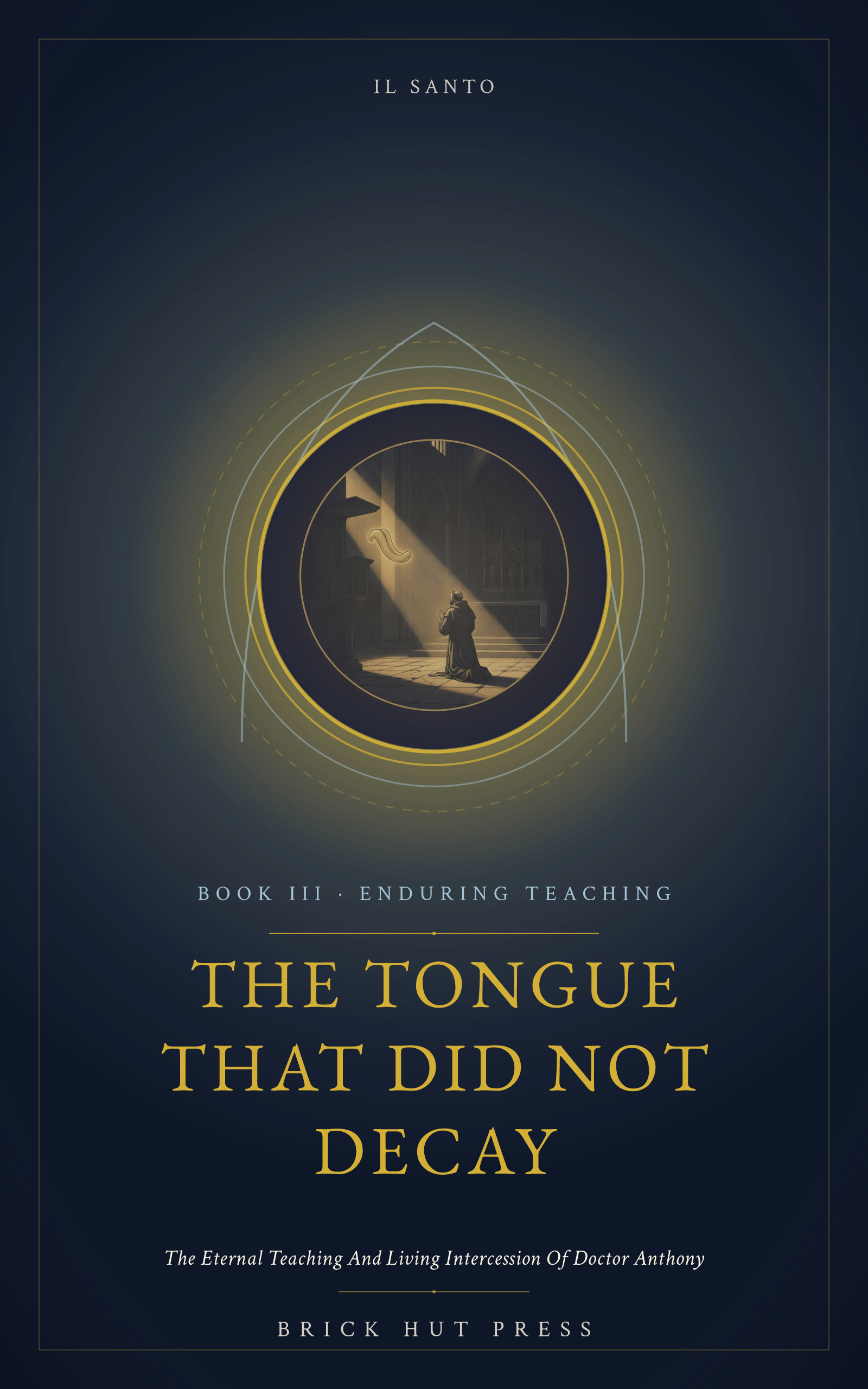
Lives that walk beside Saint Anthony of Padua, chosen for their likeness, not their fame.