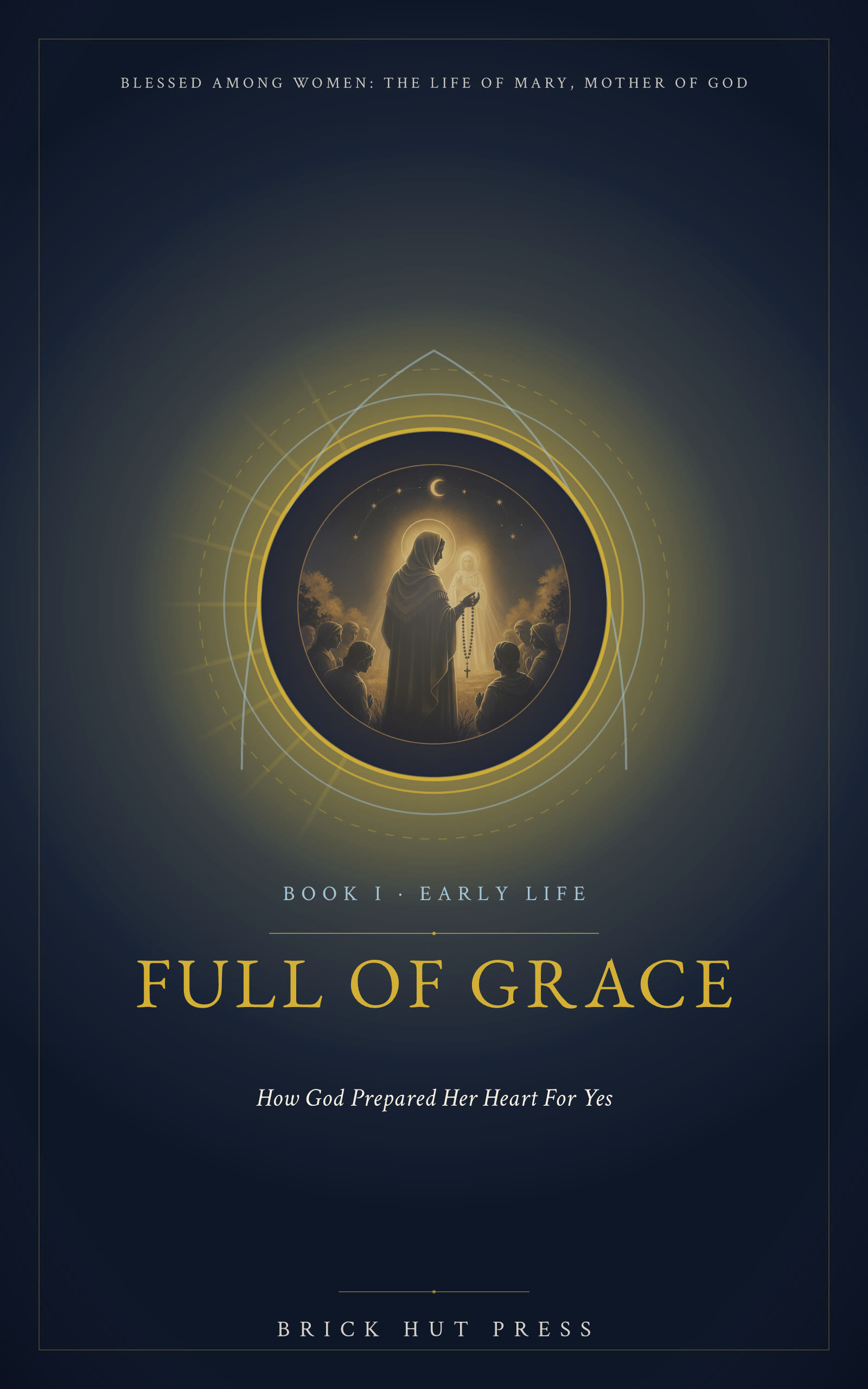
Full of Grace
She Did Not Stumble Into Holiness, God Had Been Preparing Her Heart for a Lifetime When the angel Gabriel stepped into that quiet room in Nazareth and spoke words that would split history in two, Mary did not hesitate. She did not panic. She asked one clarifying question, and then she said yes . That readiness was not accidental. It was the fruit of a hidden life, a prepared heart, a soul shaped by grace long before the moment the whole cosmos held its breath.
Read the full description
Full of Grace: How God Prepared Her Heart for Yes is a devotional journey into the life of the woman Christians across every tradition have called Blessed, tracing her story from her parents' longing and her birth, through the silence of the Temple, through the hill country roads of Galilee, and into the great sorrows and glories that followed her fiat . Drawing on Sacred Scripture, the riches of sacred tradition, and the unbroken witness of the Church across twenty centuries, this book opens the hidden years of Mary's life with reverence, warmth, and wonder.
About this volume
This first volume opens not with the angel at Nazareth but with a childless couple standing before a Temple priest who will not accept their offering, and it asks the reader to sit with that humiliation before any promise arrives. Drawing on the Protevangelium of James and the broader tradition that has carried Joachim and Anne's story through the Eastern and Western churches alike, the book takes seriously what it meant, in that world, to be barren: not simply grief but suspicion, a silence with teeth in it. From that wilderness fast, the volume traces the long, patient work of God preparing a single heart to say yes, and it does so chapter by chapter, year by year, without rushing past the waiting to get to the miracle.
The early chapters follow young Miriam from her naming through her presentation at the Temple, a season the book calls "Schooled in Silence," when much of her formation happens in rooms no Gospel describes and the tradition fills the quiet with reverence rather than invention. Readers will find here an unhurried account of a girl raised among priests and prayers, shaped by a vow she carries within her before she fully understands its weight, and betrothed at last to a carpenter named Joseph whose own quiet faithfulness the volume treats with real tenderness. This is the architecture beneath the familiar scene: by the time Gabriel arrives, the book wants us to understand, he is not interrupting an ordinary life so much as completing one that has been, in every hidden year, oriented toward exactly this moment.
The heart of the volume is "The Angel Came at Ordinary Time," and it earns its title by refusing spectacle. The annunciation is rendered as it has always struck the faithful across Catholic, Orthodox, and Protestant readings alike: a moment of staggering consequence delivered into an unremarkable afternoon, answered by a girl's full and free consent. From there the narrative moves with her, literally, as she rises and goes with haste to Elizabeth, carrying the child within her into the hill country before carrying him into Bethlehem, where there is no room and yet, the book insists without irony, all of heaven.
The later chapters do not look away from the cost of her yes. Simeon's warning in the Temple, the flight by night into Egypt, the long stretch of ordinary life in Nazareth that Scripture passes over almost entirely: these receive careful, patient attention here, because the tradition has always understood that Mary's fiat was not a single transaction but a lifelong posture. The volume closes on the boy Jesus in the Temple at twelve, and on the question his mother asks him there, "Did you not know?", a question that closes this book while opening, quietly, onto everything still to come.
Throughout, the prose stays close to its sources, drawing honestly on the Protevangelium of James and the long devotional memory of the Church rather than presenting apocryphal material as settled fact. It writes from within the conviction, shared across Catholic, Eastern and Oriental Orthodox, Anglican, and Lutheran devotion, that this child of promise became the Theotokos, the one through whom the Word took flesh, and it asks readers to meet her first not as a theological title but as Miriam of Nazareth: a daughter, a betrothed, a young woman whose whole hidden life was, this volume argues, the long and gracious preparation for a single word spoken in an ordinary room.
For readers who have only ever met her at the manger or beneath the cross, this volume offers something rarer: the years before, the silence in which grace was already at work, and the slow forming of the heart that would answer, let it be done to me according to your word.
Not sure yet? Begin freely.
According to Your Word, a complete portrait of this life, free, kept in your own library here. The door into all 3 volumes.
Receive the free book →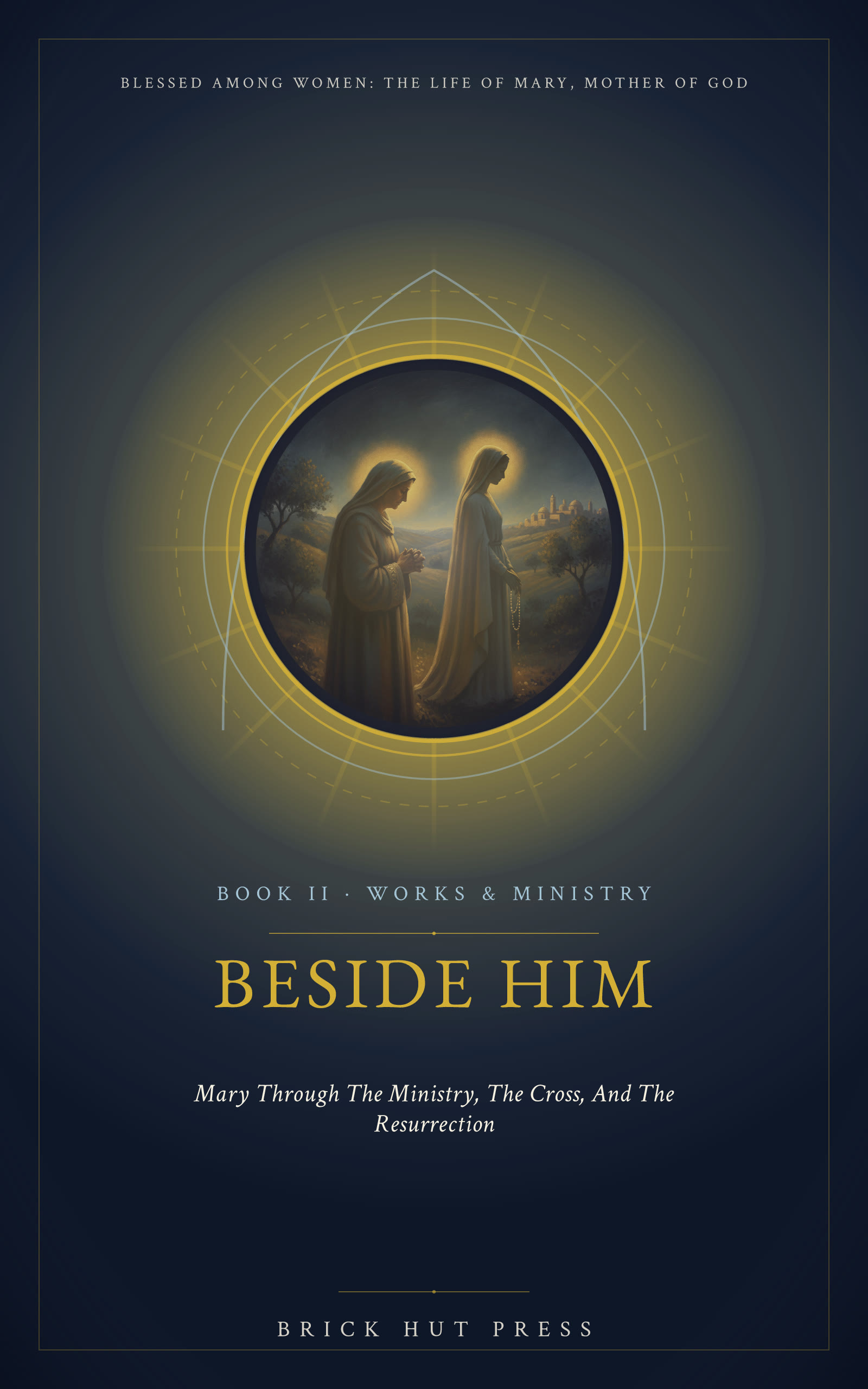
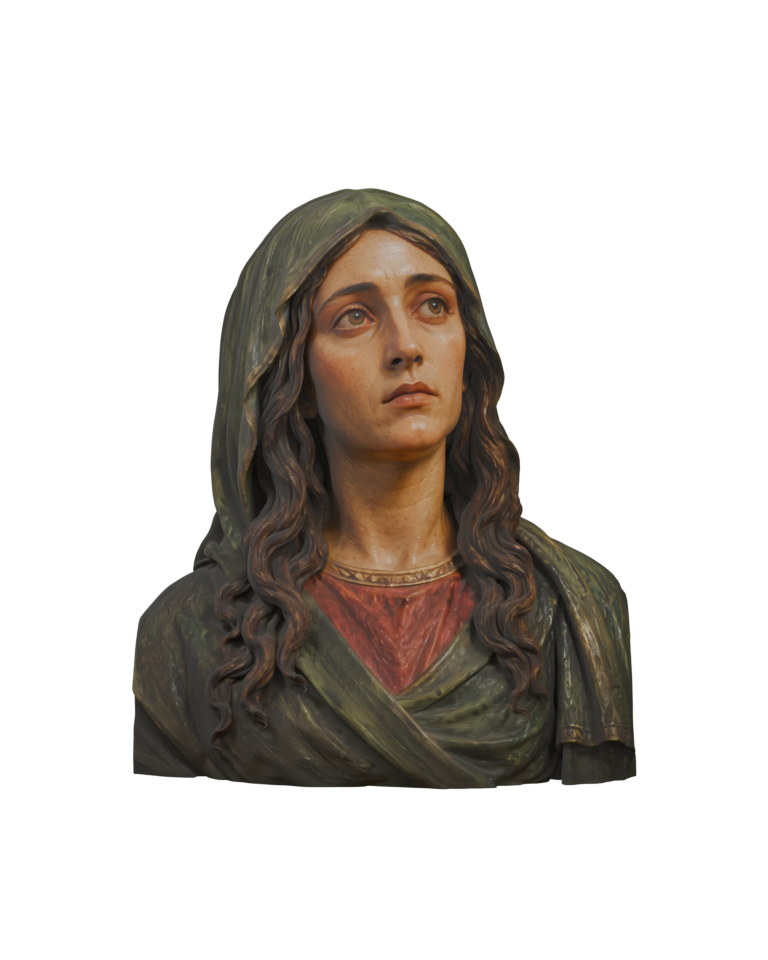
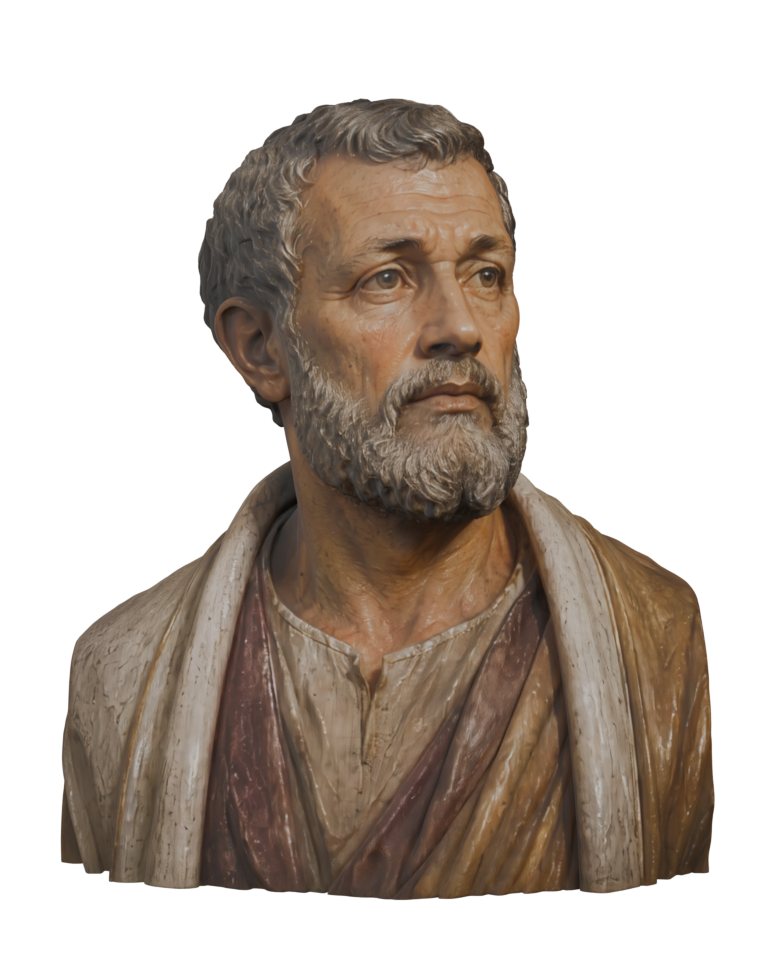
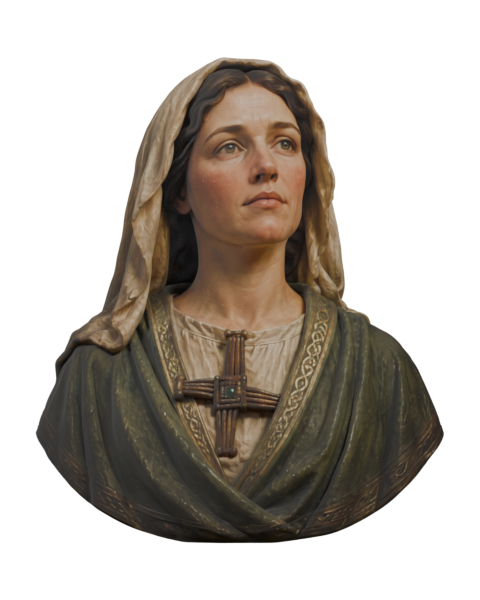
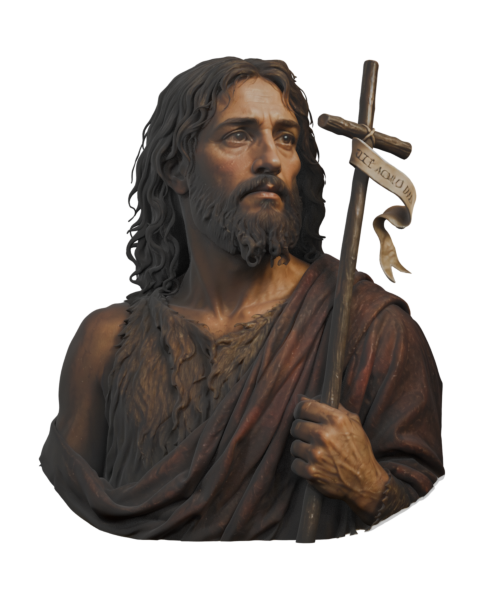
Lives that walk beside Mary of Nazareth, the Blessed Virgin Mary, the Theotokos, Our Lady, chosen for their likeness, not their fame.