Florence Nightingale: Life, Faith, and the Call at Seventeen
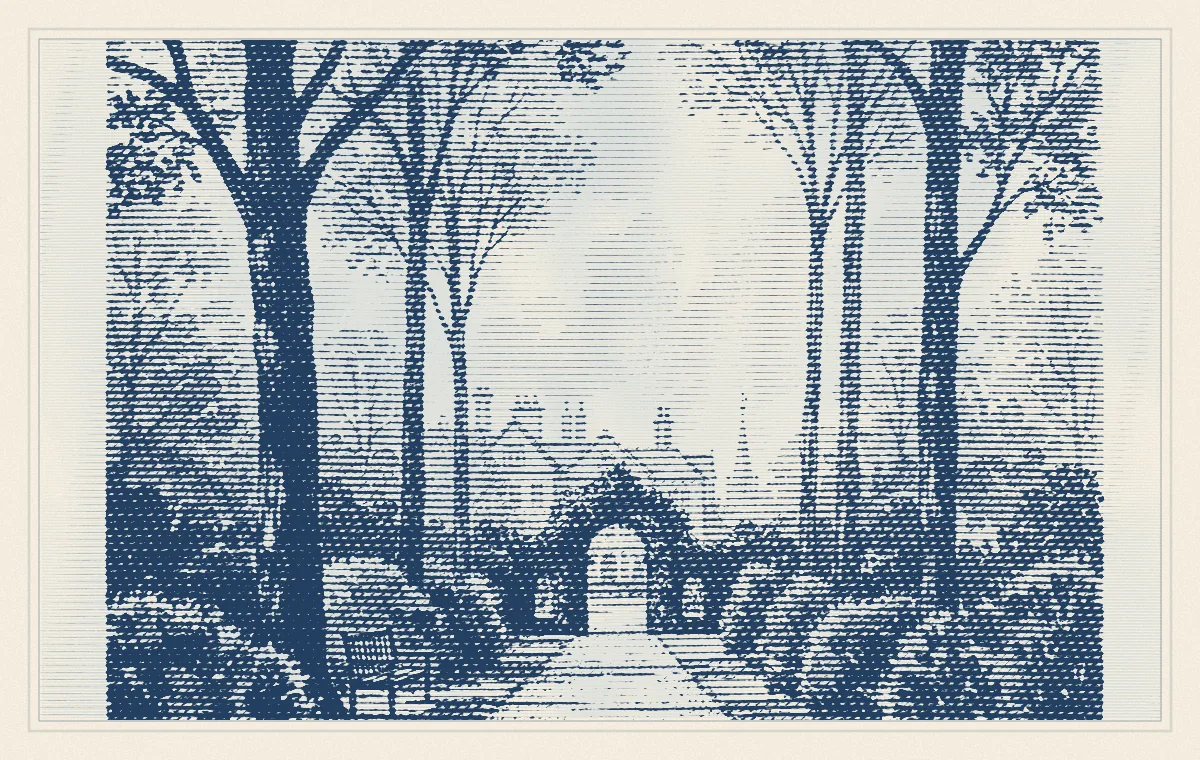
Florence Nightingale is remembered as a woman with a lamp, bending over rows of wounded men in a Turkish barracks at night. That picture is true, but it is small. The fuller woman spent ninety years answering a voice she heard at seventeen, in a garden at Embley Park, and she spent most of those years not on a battlefield but at a writing desk, often too ill to stand, reforming an empire's hospitals one letter at a time.
This page introduces The Lady with the Lamp: A Life of Florence Nightingale, a three-volume telling of that life from within the Anglican tradition that formed her. It begins with a free Invitation volume and continues across formation, war, and legacy. What follows is the plain record, and the shape of the trilogy built from it.
Who Was Florence Nightingale?
Florence Nightingale was an English nurse, social reformer, and statistician, born May 12, 1820, in the city of Florence, Italy, to a wealthy and well-connected English family who gave her its name. She died on August 13, 1910, in London, having spent the preceding decades largely confined to bed or couch by chronic illness, directing the reform of British military and civilian healthcare through an extraordinary volume of correspondence, reports, and published work.
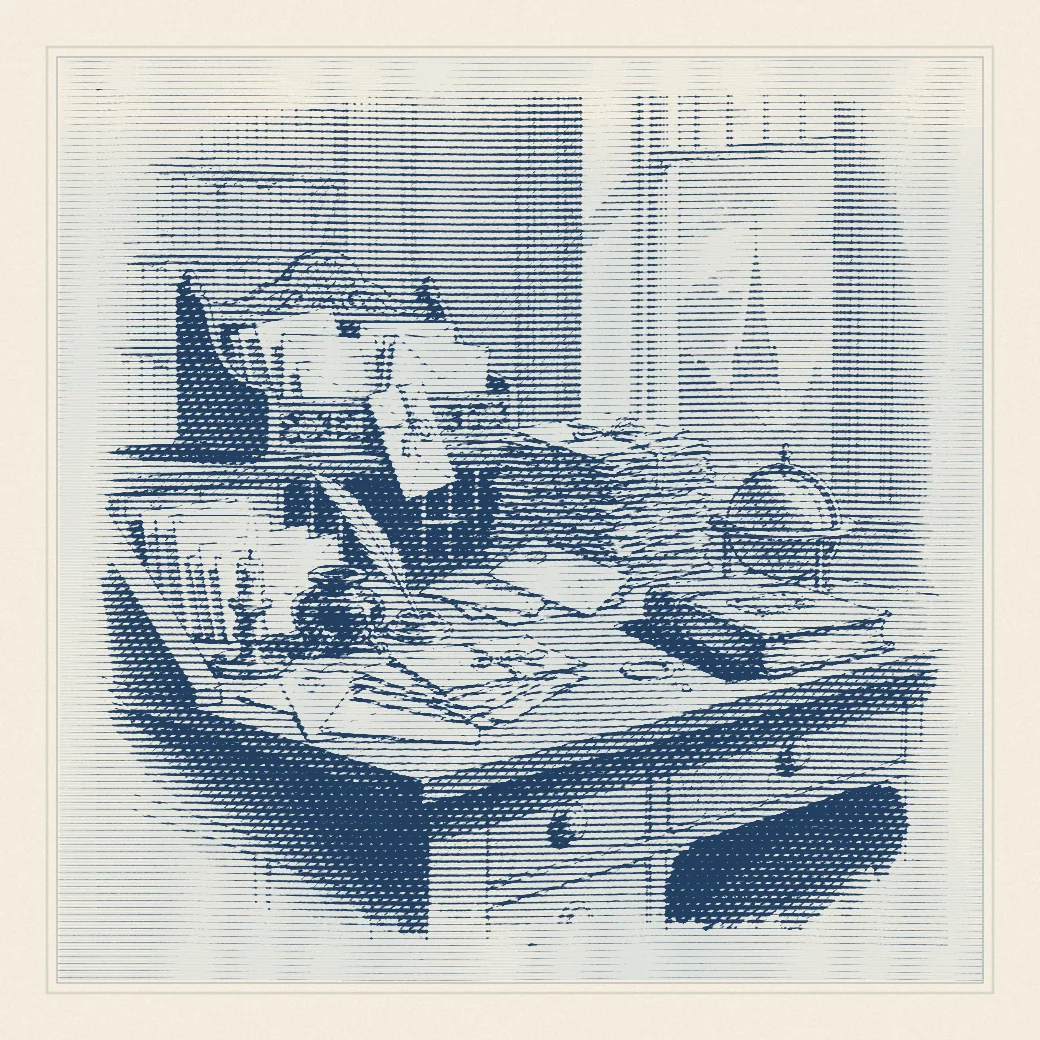
She never married. In her youth she refused a nine-year courtship from the poet and politician Richard Monckton Milnes, telling him and herself that her "moral active nature" required a different kind of life than a drawing room could offer. She had no children, though she trained generations of nurses who came after her, and she is buried, at her own wish, not in Westminster Abbey but in the family plot at St Margaret's churchyard in East Wellow, Hampshire, under a stone that gives only her initials and dates.
Her significance in the history of medicine rests on three pillars that are often collapsed into one romantic image. She professionalized nursing by founding a training school at St Thomas' Hospital, giving a trade long dismissed as disreputable a curriculum, a discipline, and a claim to respectability. She pioneered the statistical visualization of public health data, including the coxcomb diagrams that made Crimean mortality impossible for Parliament to ignore. And she drove sanitary reform in military and colonial hospitals, work that, in the years after Scutari, saved far more lives than her bedside rounds ever could alone.
Why Is She Called the Lady with the Lamp?
The nickname comes from her habit, in the military hospital at Scutari during the Crimean War, of walking the wards alone at night carrying a lamp, checking on the wounded after the medical officers had gone to bed. A correspondent for the Times reported it, and the American poet Henry Wadsworth Longfellow fixed the image permanently in his poem "Santa Filomena," describing "a lady with a lamp" gliding through the gloom.
Florence Nightingale's own record at Scutari was harder than the legend. Death rates in the hospital did not fall during her first winter there; they were driven down afterward, chiefly by a government Sanitary Commission that rebuilt the sewers and ventilation she had been petitioning London about for months. She knew this herself and said so. The lamp was real. The larger victory was statistical, administrative, and slow, and it is that harder, less photogenic achievement that The Lamp That Never Went Out follows from the Crimean wards into the decades of correspondence that reformed medicine across India and the British army.
Her Faith and the Call at Seventeen
Florence Nightingale was a communicant of the Church of England her whole life, and she understood her work as a direct answer to a call from God. On February 7, 1837, at age sixteen going on seventeen, she recorded that God had spoken to her and called her to His service. She did not know yet what that service would be, and she waited years, through grand houses and family refusal, before Kaiserswerth and Scutari gave the call its shape.
Her theology was not simple piety. She read deeply, questioned the Church's authority on suffering, and later wrote Suggestions for Thought, a private theological work that strayed toward universalist conclusions about damnation and grace, troubling to conventional churchmen of her day. She believed nursing itself was a form of worship, that tending a wound and obeying the laws of sanitation were ways of co-laboring with God's own order in creation. The Church of England keeps her commemoration on August 13, the date of her death, and the Evangelical Lutheran Church in America keeps the same day. God Called Me in the Morning tells the long, often frustrating story of the years between the call and its answer: the Greek lessons, the family battles, the deaconess training, the waiting.
The Three Volumes, and Who They Are For
The trilogy moves in the order her life was lived. God Called Me in the Morning covers her formation, from the voice in the garden to the training at Kaiserswerth that finally gave her a craft. The Lamp That Never Went Out covers Scutari and the decades of reform that followed. Shine as Lanterns of Hope gathers the interior life beneath both, the prayer and surrender that a purely secular biography tends to leave out, and asks what it means that a woman spent ninety years answering a single sentence she heard once as a girl.
This reading is for anyone drawn to Florence Nightingale as more than an icon on a tin: readers of Christian biography, nursing students wanting the fuller woman behind the statistics, and anyone who has wondered what a calling costs the person who answers it. The first volume is free to read in full at the Invitation edition, and the complete three-volume life, along with every other life Brick Hut Press has set to page, is available through membership.
Questions readers ask
When and where was Florence Nightingale born?
She was born May 12, 1820, in the city of Florence, Italy, to a wealthy English family traveling abroad, who gave her the city's name.
How did Florence Nightingale die, and where is she buried?
She died August 13, 1910, in London, after decades of declining health, and is buried in the family plot at St Margaret's churchyard in East Wellow, Hampshire, having declined burial in Westminster Abbey.
Did Florence Nightingale ever marry or have children?
No. She refused a long courtship from Richard Monckton Milnes, believing marriage would not satisfy what she called her moral active nature, and she had no children.
Why did Florence Nightingale spend years confined to bed?
After returning from Crimea she suffered a severe, lasting illness that left her largely bed-bound or couch-bound for decades, though she continued to direct health reform through an enormous volume of letters and reports written from home.
What illness did Florence Nightingale actually have?
Historians generally point to chronic brucellosis, likely contracted from unpasteurized milk during the Crimean War, though some researchers suggest a condition closer to what is now called chronic fatigue syndrome or fibromyalgia; no certain diagnosis survives.
Did she really carry a lamp through the hospital wards?
Yes. At Scutari she made nighttime rounds alone carrying a lamp to check on wounded soldiers, a scene reported in the Times and later fixed in verse by Longfellow, which is how the nickname Lady with the Lamp began.
What is Florence Nightingale's religion?
She was a lifelong member of the Church of England, though her private theological writing pressed past conventional doctrine on questions of grace and damnation.
Is there a Florence Nightingale feast day?
Yes. Both the Church of England and the Evangelical Lutheran Church in America commemorate her on August 13, the anniversary of her death.
What did Florence Nightingale actually write?
Her major published works include Notes on Nursing and Notes on Matters Affecting the Health of the British Army, alongside the private theological manuscript Suggestions for Thought and a vast surviving correspondence.
Was Florence Nightingale the founder of modern nursing?
Nursing existed before her, but she professionalized it, founding the Nightingale Training School at St Thomas' Hospital and establishing the standards of education and discipline that shaped nursing as a respectable profession.
Why is Florence Nightingale significant in the history of medicine?
She pioneered statistical methods for public health, including the coxcomb diagrams that exposed preventable deaths in military hospitals, and drove sanitary reforms in hospital design that reduced mortality across the British army and colonial India.
Where should I start reading this trilogy?
The free Invitation volume is the natural starting point, giving the full shape of her formation before the second and third volumes carry the story through Crimea and into her later life.
Keep reading
Read the life entire
Florence Nightingale is one of the lives on the house shelf, a three-volume life told from within the tradition, in ebook, audiobook, and print.
Begin reading, freeAbout this life
Before the Lamp Was Lit: a complete book, free. One email opens it: no password, no card.