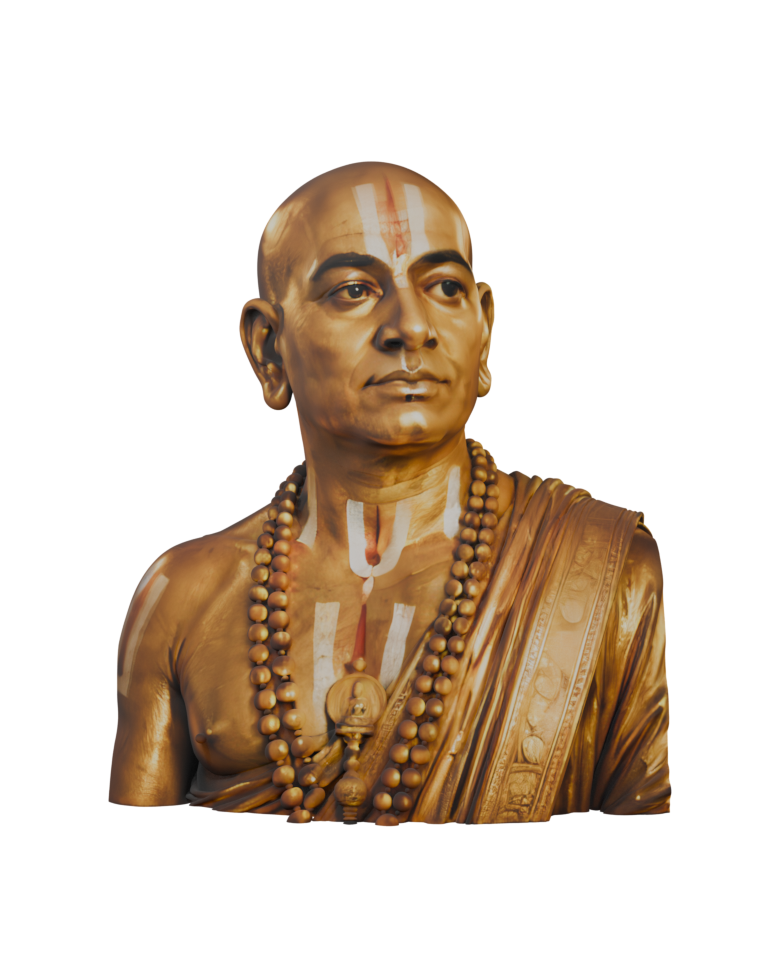
The Boy Who Fell Into God
Before a single gaze from Ramana Maharshi ended the search forever.
Before the satsangs. Before the seekers crowded his living room in Lucknow. Before a single gaze from Ramana Maharshi ended the search forever. There was a boy in Punjab who disappeared into the Divine, and came back changed in a way no one around him could quite name. The Boy Who Fell Into God is the biography of Sri H. W. L. Poonja, beloved as Papaji, told from inside the living tradition he embodied. This is not hagiography.
Read the full description
It is the luminous, sometimes aching, always astonishing account of a real human life: a child born into bhakti-soaked Punjab, nephew of a wandering saint, who tasted samadhi before he had words for it, and then moved through decades as a soldier, a husband, a father, and a seeker, searching across India for something already shining at the center of his own being.
Not sure yet? Begin free.
Already Home, a complete book about this life, free, kept in your own library here, read and heard.
Receive the free bookAbout this volume
Before Sri H. W. L. Poonja became Papaji to the thousands who would sit before him in Lucknow, he was a boy in a Gujranwala household so saturated with devotion that God was not a guest invited for festivals but the actual owner of the premises. This first volume of a three-part life begins there, in the incense-thick rooms of a Saraswat Brahmin family where his mother, Hinduji, embodied a bhakti so total it shaped the child before the child could shape a thought of his own. Readers who come to Papaji through his later teaching, the blunt, laughing, uncompromising pointer to the Self who would receive seekers from every corner of the world, often know almost nothing of this boyhood. This volume exists to give that boyhood its due weight, not as prelude but as the soil out of which everything later grew.
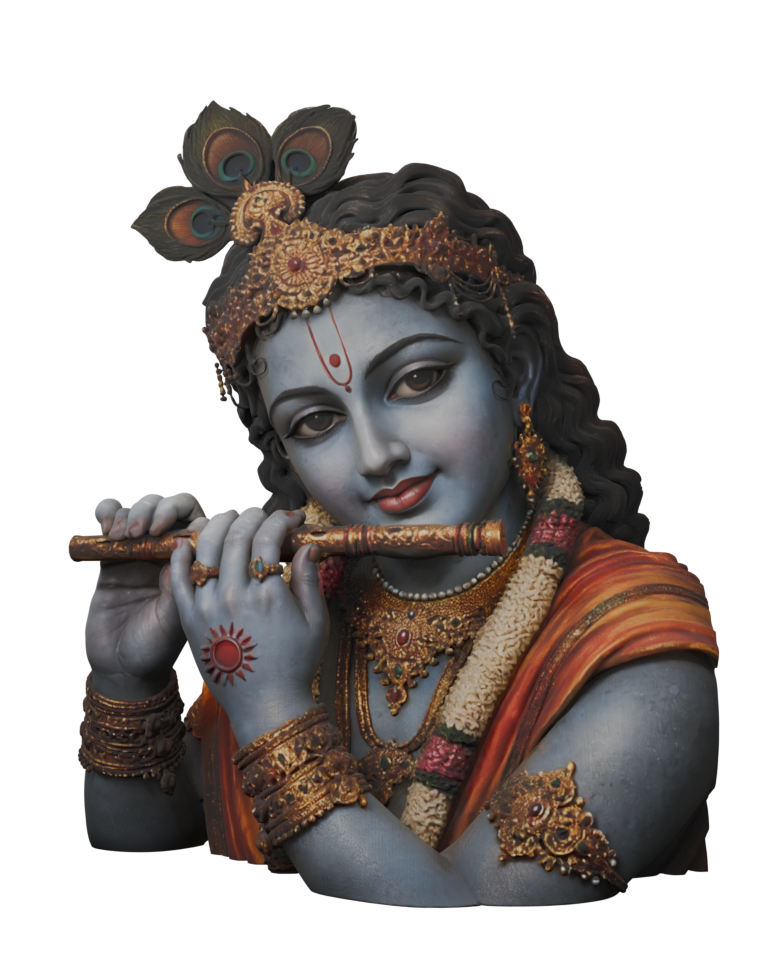
The chapters trace a childhood and youth unusually alert to the invisible. There is the uncle who was already gone, a family absence that seems to have taught the boy something about impermanence before he had language for it. There is the chapter called "The First Time the World Stopped," which the volume treats with the seriousness it deserves, an early, unbidden cessation of ordinary experience, arriving not through practice or instruction but as pure gift, the kind of grace that visits certain children and then withdraws, leaving them forever after homesick for what they briefly knew. And there is Krishna, the God with the flute, whose worship gave the boy's private hunger a face and a form long before he had any vocabulary of formlessness.
The middle chapters follow him into the ordinary demands of a life that had to be lived regardless of what had already stirred underneath it, "Everything a Good Son Should Do" takes seriously the pull between filial duty and interior restlessness that marks so many lives later recognized as extraordinary. Then comes the soldier and the name, the years in uniform that gave the world the practical, disciplined bearing so many later devotees would remark upon in Papaji, a bearing that never left him even after the discipline of arms gave way entirely to the discipline of silence. Woven through these years is a question the volume does not let the reader forget: have you seen God? It was a question he apparently asked of teachers, of holy men, of anyone who claimed to know, and the volume treats his persistent dissatisfaction with every answer he received not as arrogance but as an honesty almost nobody around him could match.
The volume's final movement turns toward Tiruvannamalai, and it does so carefully, without rushing past what preceded it. "The Night the Mantra Fell Silent" marks a real turning, the collapse, however partial, of a devotional practice that had structured his inner life for years, and "The Map That Said Tiruvannamalai" follows the geographic and interior pull toward the mountain where Sri Ramana Maharshi lived. The volume closes with "The Gaze That Answered Everything," the meeting that later tradition would treat as the hinge of his entire life, rendered here not as a dramatic set piece but as the culmination of everything the preceding chapters have quietly been preparing.
What distinguishes this volume is its patience. It does not hurry toward Ramana Maharshi as though the years before were merely waiting room. It insists instead that the boy who wept before Krishna's image, the young man in uniform still asking his unanswerable question, and the seeker whose mantra finally fell silent are not stages to be outgrown but a single continuous person, already whole, already searching in the only way available to him at each moment. Readers of the Direct Path tradition will recognize in this early life the same fierce honesty that would later characterize Papaji's teaching, an unwillingness to settle for anything less than the real thing, however long the search, however far the mountain.
Lives that walk beside Sri H. W. L. Poonja, chosen for their likeness, not their fame.