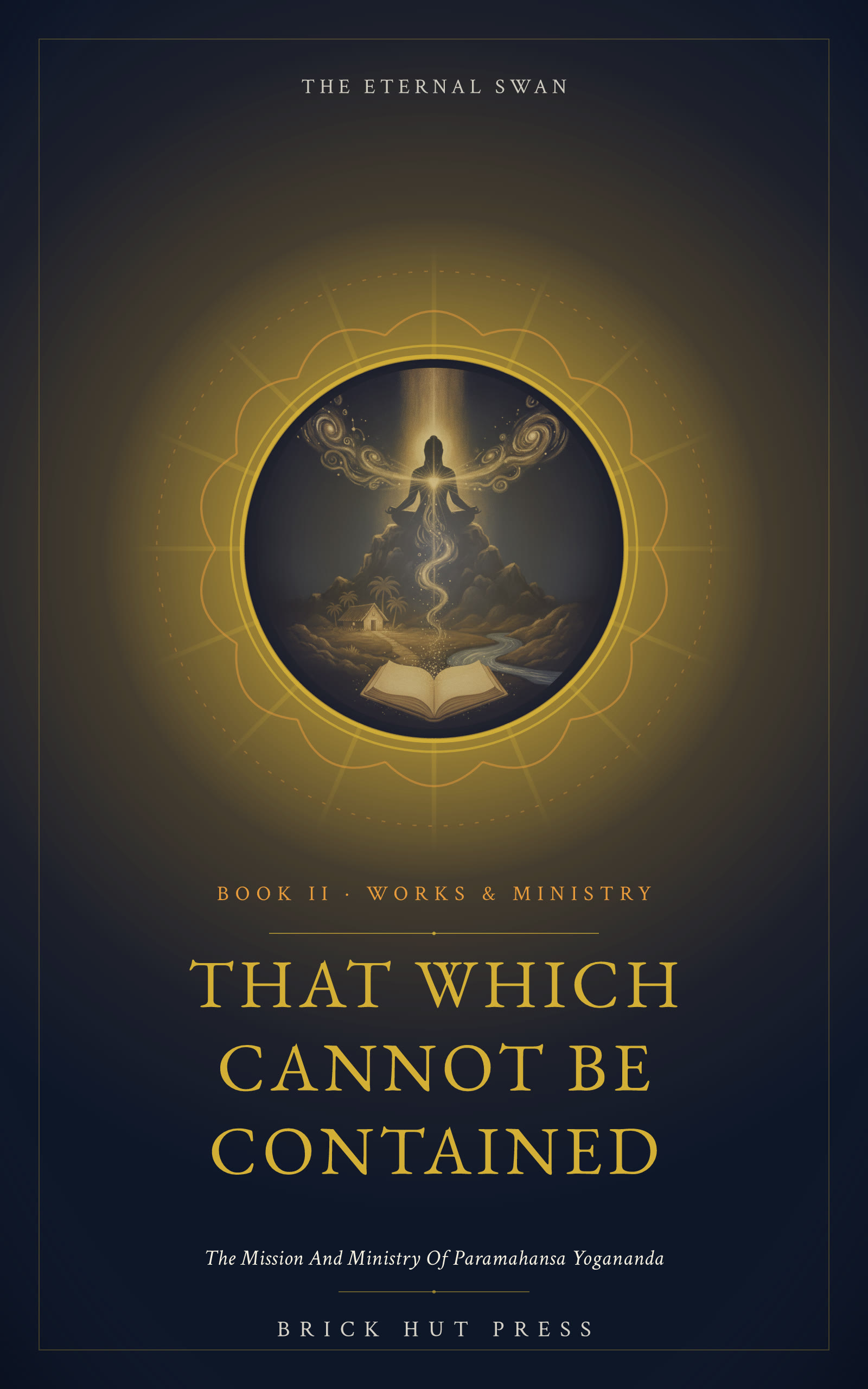
That Which Cannot Be Contained
That Which Cannot Be Contained: The Mission and Ministry of Paramahansa Yogananda is the biography devoted seekers have long been waiting for.
The Story Devoted Readers Have Been Waiting For A young swami steps off a ship in Boston in 1920, and the West will never be the same. What follows is one of the most extraordinary spiritual missions in modern history: decades of relentless travel, teaching, and transformation, carried out by a man who seemed too vast, too luminous, too alive to be contained by any single account of his life.
Read the full description
That Which Cannot Be Contained: The Mission and Ministry of Paramahansa Yogananda is the biography devoted seekers have long been waiting for. Written from within the living tradition's love and reverence, this is not a distant, academic portrait. It is an intimate journey alongside the Guru, through the founding of Self-Realization Fellowship, the great labor of bringing Kriya Yoga to the modern world, the saints and disciples who gathered around him, and the profound human heart beating at the center of it all.
Not sure yet? Begin free.
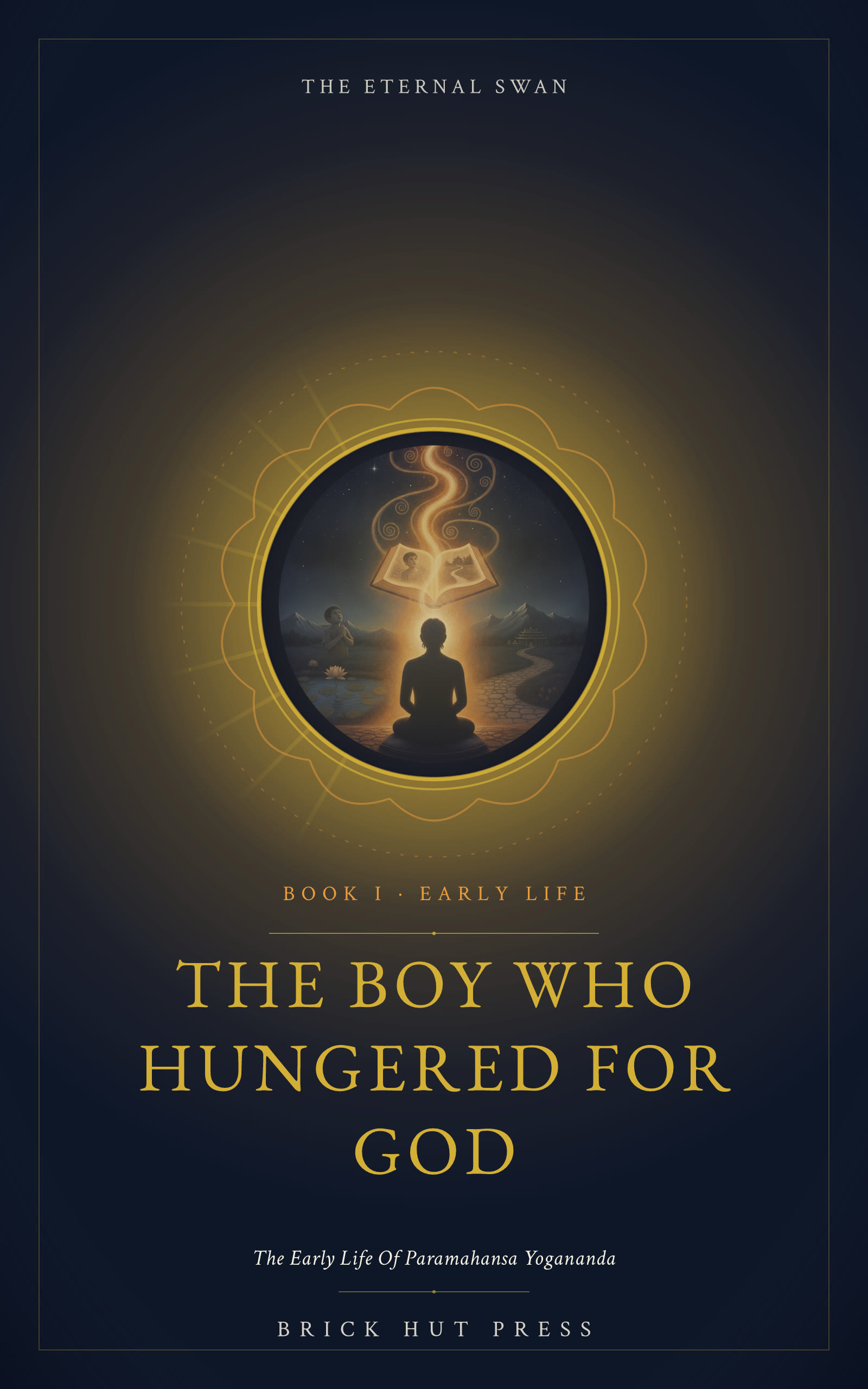
The Eternal Swan, a complete book about this life, free, kept in your own library here, read and heard.
Receive the free bookAbout this volume
This is the volume in which the door that opened onto the sky becomes a country, a continent, a life's work. Where the first book of this life carried the young Mukunda through the riverbanks of Bengal and into the presence of Sri Yukteswar, this second volume opens on Boston Harbor in the cold of a September he could not have imagined from Serampore, and it does not slow down from there. The Congress of Religious Liberals is only the first door. What follows is a decade and more of a man crossing an entire nation, again and again, carrying a teaching that had never before been offered whole to Western seekers: not a curiosity from the East, but a science of the soul, demonstrated as rigorously as any laboratory result, and offered to farmers and financiers, housewives and philosophers, with the same plain confidence.
The chapters gathered here trace that crossing with real specificity. There is the cross-country lecture circuit that filled auditoriums from coast to coast, the crowds sometimes so large that police were needed to manage the doors, an image the volume takes seriously without letting it become spectacle for its own sake, because the harder question the book asks is what the crowds could not see: the discipline, the solitude, the nights of meditation that made the platform possible. There is Mount Washington in Los Angeles, the hilltop that became international headquarters, purchased and built into a working home for a teaching that needed permanence, not just applause. There is the afternoon in Luther Burbank's garden, one scientist meeting another, a meeting the book treats with the weight it deserves, since it marks the moment Paramahansaji found in the master horticulturist a Western mind that required no persuading of what discipline, patience, and reverence for the unseen laws of life could accomplish.
The volume does not skip the return to India, that long-awaited crossing back across the world, East meeting West meeting East again, a reunion with Sri Yukteswar and with the soil of Bengal that carried its own grief and its own confirmation, culminating in the bestowal of the title Paramahansa itself, a title this book does not treat lightly. It asks plainly what such a name costs a man to carry, and what it asks of him afterward. Close behind comes one of the volume's most sobering passages, the passing of Sri Yukteswar, and the account of what came after: not merely the mourning of a disciple, but the deepening of a lineage now resting more fully on the shoulders of the one who remained.
From there the book turns to the quieter architecture of a mission built to last: the founding and structuring of the monastic order, the establishment of the hermitage at Encinitas, where the Pacific itself seems to have agreed to keep silence alongside the meditating monks, and finally the writing of the book that would carry this teaching to readers who would never hear Paramahansaji's voice in person, the autobiography that remains his most enduring gift to seekers everywhere. The final chapters slow the pace deliberately, following the deepening of the later years, a period less concerned with expansion than with depth, as a master who had already given so much continued, quietly, to give more.
Readers who have completed the first volume will recognize in these pages the fulfillment of what Sri Yukteswar foresaw on the riverbank at Serampore. Readers meeting Paramahansa Yogananda for the first time will find here not a legend flattened into anecdote, but a life rendered with its full weight of labor, love, and unwavering purpose, a mission built stone by stone across an ocean and a continent, in service of a teaching meant to outlast the man who carried it.
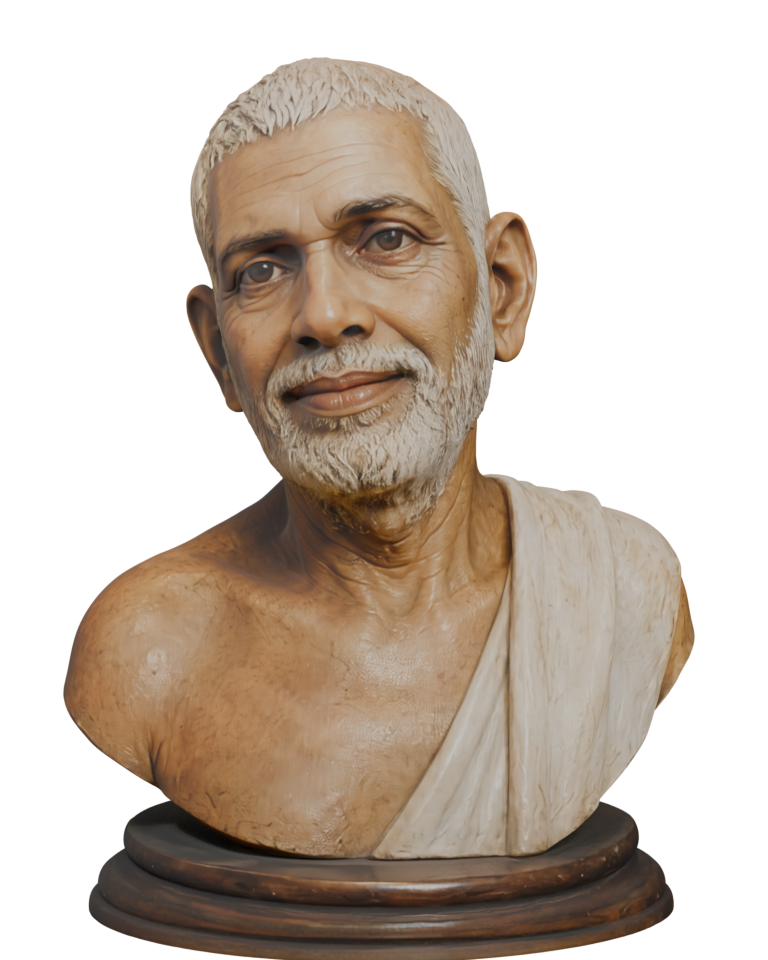
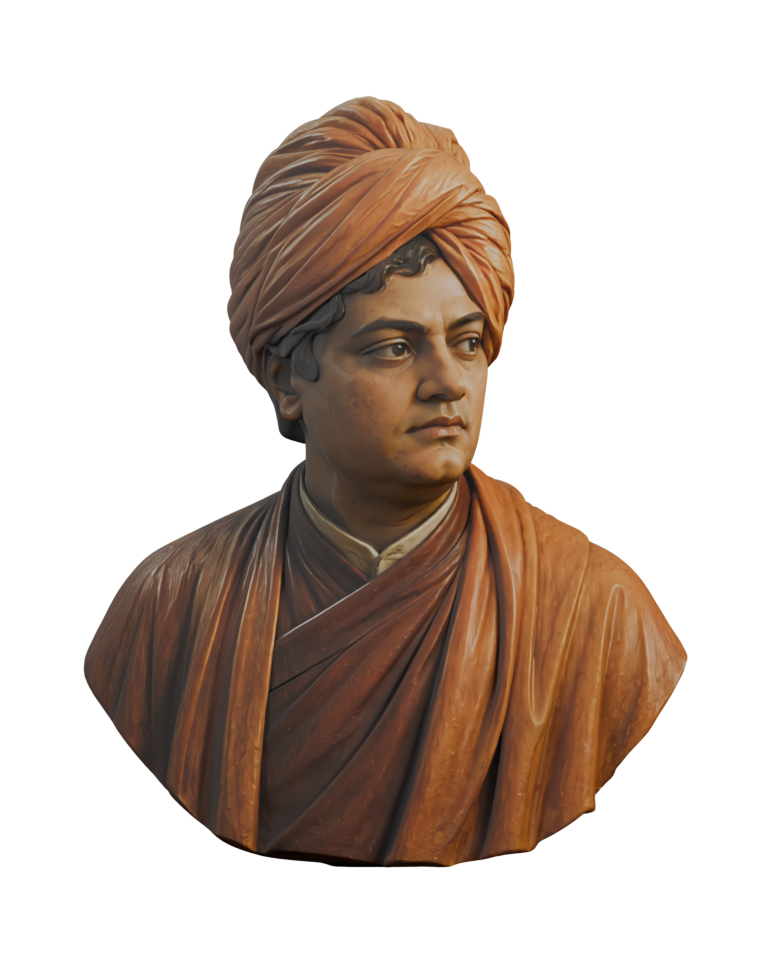
Lives that walk beside Paramahansa Yogananda, chosen for their likeness, not their fame.