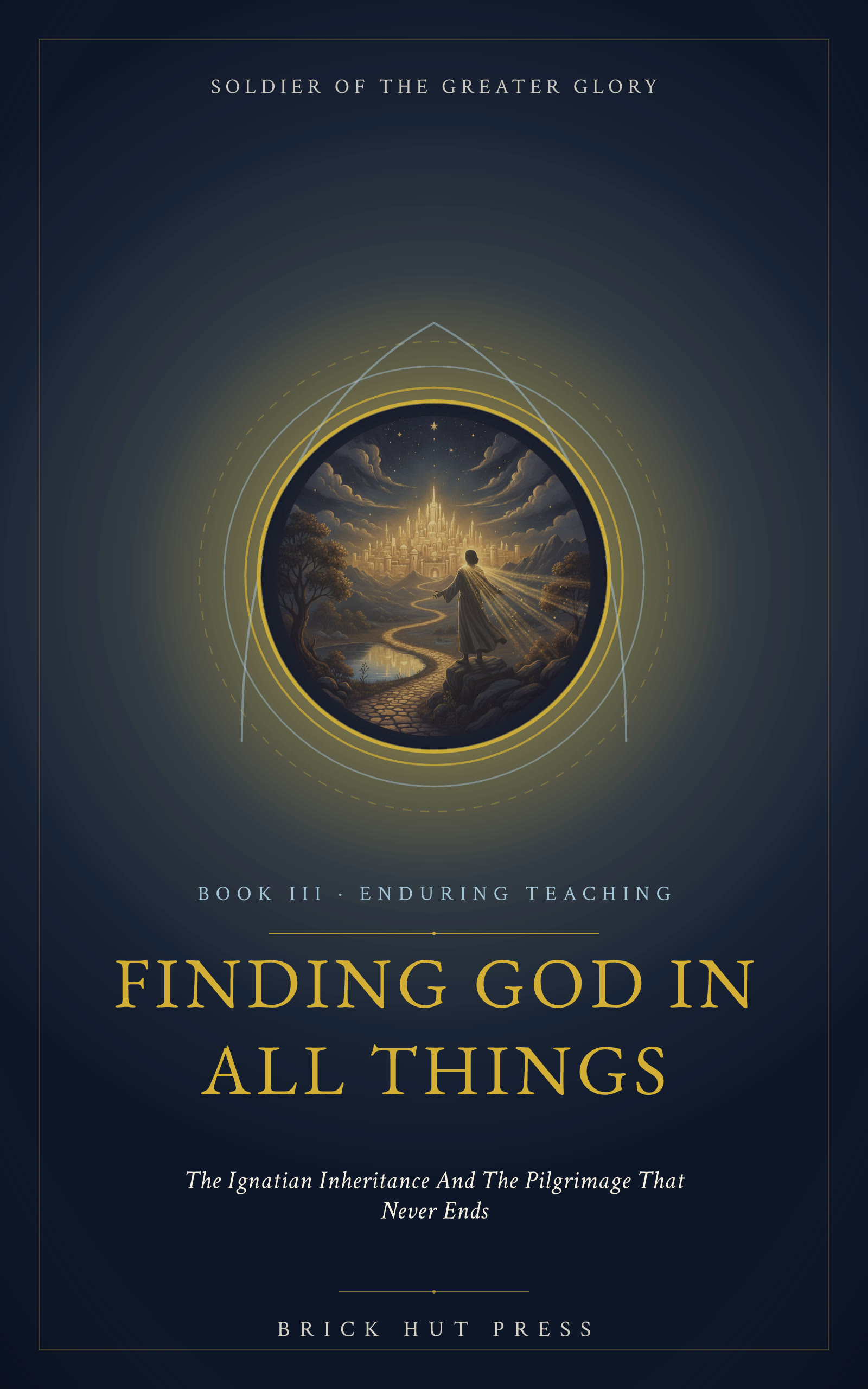
Finding God in All Things
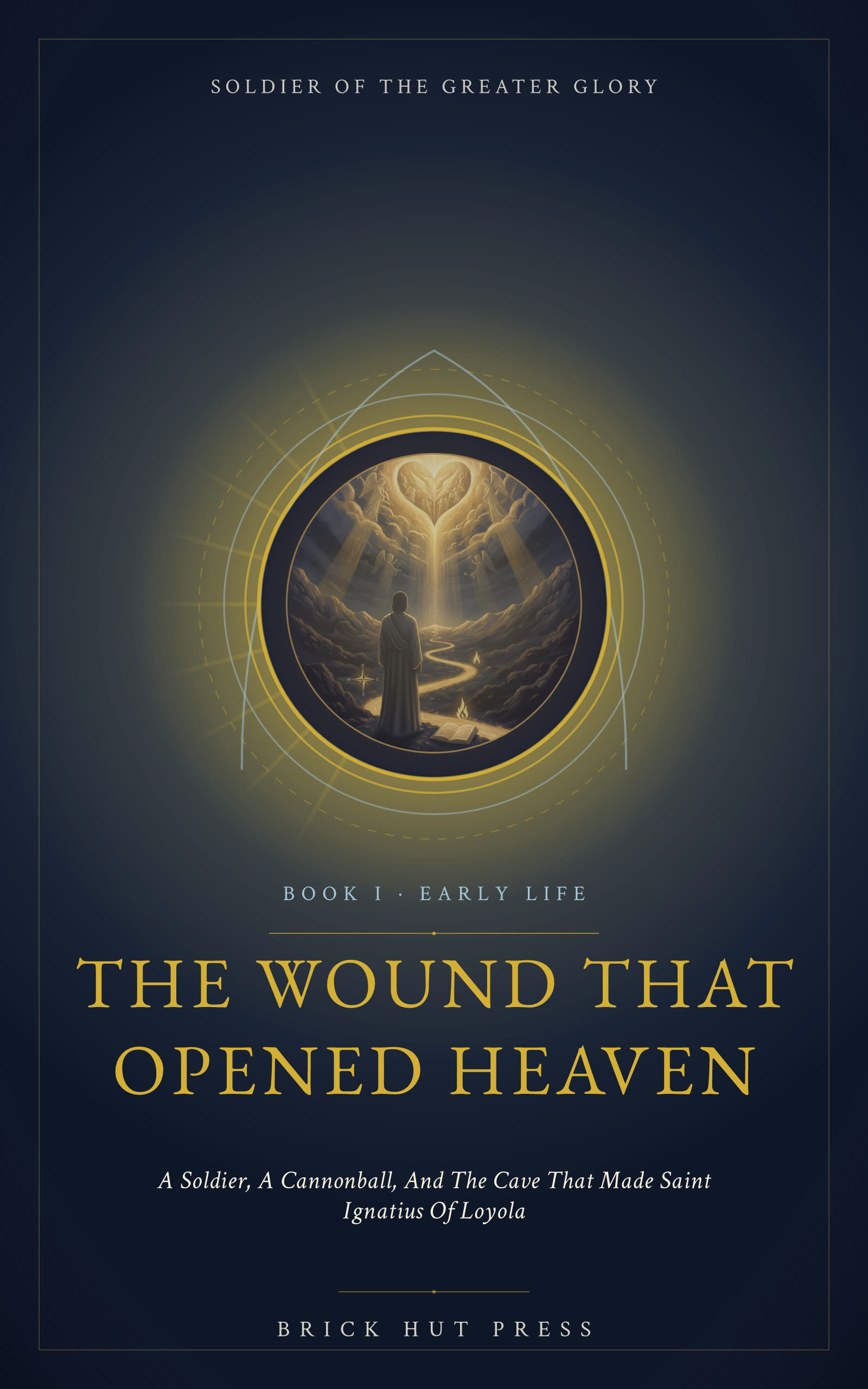
Five centuries ago, a Spanish soldier lay broken on a battlefield, his military ambitions shattered alongside his leg.
A Wounded Soldier. A Cave Above Manresa. A Map of the Soul That Changed Christianity Forever. Five centuries ago, a Spanish soldier lay broken on a battlefield, his military ambitions shattered alongside his leg. What emerged from that wound, and from the months of prayer, darkness, and illumination that followed in a cave above the town of Manresa, was one of the most powerful spiritual frameworks the Church has ever known.
Read the full description
Finding God in All Things: The Ignatian Inheritance and the Pilgrimage That Never Ends brings that framework directly into your hands, your heart, and your daily life. This is not simply a biography of Saint Ignatius of Loyola, though his story pulses on every page with vivid, human detail. It is a devotional companion for every pilgrim who has ever sensed God stirring in the ordinary, in a conversation, a consolation, a quiet moment of unexpected peace. Drawing on the rich tradition of the Spiritual Exercises and the centuries of Jesuit wisdom that followed, this book transforms an ancient pilgrimage into a living, breathing practice you can take up today.
Not sure yet? Begin free.
The Pilgrim's Wound, a complete book about this life, free, kept in your own library here, read now; its narration joins free when it is finished.
Begin reading, freeAbout this volume
This third volume leaves the road behind. The first book followed Íñigo the courtier from the ruin at Pamplona to the river at Manresa; the second carried the Pilgrim through Paris, the vows at Montmartre, and the founding of the Society in Rome. This volume asks a different question: what did he leave behind for everyone who would never set foot in that cave above the Cardoner? It opens where the first volume closed, at the mouth of that narrow opening where a broken soldier knelt for the better part of a year, and it asks what exactly was given to him there, and what of it could be handed on.
What follows is less a march through years than a walk through a method, the one Ignatius distilled into the small, exacting book he called the Spiritual Exercises. The chapters take up its architecture in turn: the Principle and Foundation that reorders a life around the end for which it was made, the Four Weeks that move a retreatant from sin through the life of Christ to the Passion and the Resurrection, the discernment of spirits that lets a person read the movements of consolation and desolation within, the Examen that Ignatius called the prayer a person could keep even on the busiest day. These are not treated as museum pieces. The book stays close to the claim Ignatius made about Manresa, that one hour by that river outweighed everything that came after, and it takes seriously what that claim implies: that the Exercises are an attempt to let other souls find something of that same river.
From there the volume turns outward, to the discipline Ignatius called finding God in all things, the conviction that a kitchen, a classroom, a battlefield infirmary, or a merchant's ledger could be as much the ground of holiness as a hermit's cave. It follows how this conviction shaped the Society of Jesus itself, the "body of the companion," as one chapter names it, the men who took Ignatius's vision of apostolic mobility and carried it into courts, colleges, and missions across four continents while he still lived to read their letters. A chapter on making the Election treats the hardest and most practical part of his teaching, the discernment by which a person chooses a state of life or a particular course of action, and asks why Ignatius trusted that God speaks through reasoned deliberation as readily as through tears.
The later chapters follow the saint past his own death, since a life like this one does not end with a tomb. One traces what his 1622 canonization could and could not capture of a man who resisted easy summary even among those who loved him most. Another gathers the company of saints, from Francis Xavier onward, who sat, in one sense or another, at his feet and carried the Exercises into their own sanctity. The volume closes with the Pilgrim who still walks, a chapter that asks plainly why a retreat method written for sixteenth-century Spanish laymen and priests still fills retreat houses and directs discernments today.
Readers who have followed the first two volumes will recognize the voice: patient with silence, unhurried through suffering, attentive to the exact texture of a cave floor or a riverbank. Readers coming to this volume on its own will still find a complete and coherent account of what Ignatian spirituality actually is, where it came from, and why a Church that has produced many founders has never stopped returning to this one soldier's unfinished sentence about what he received beside the Cardoner.
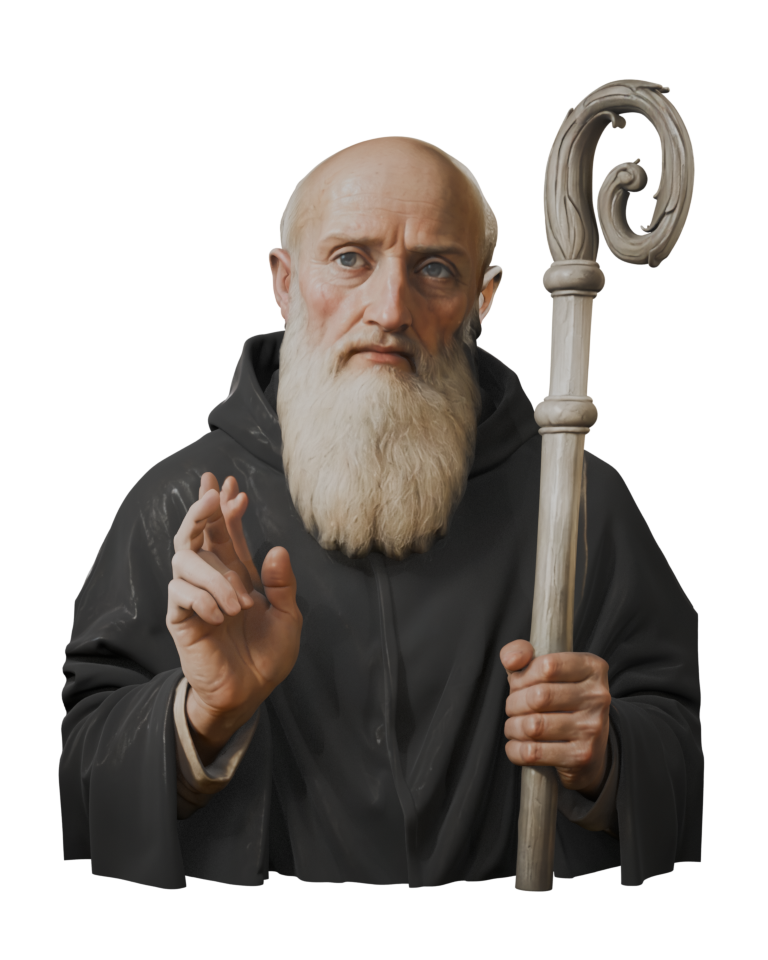
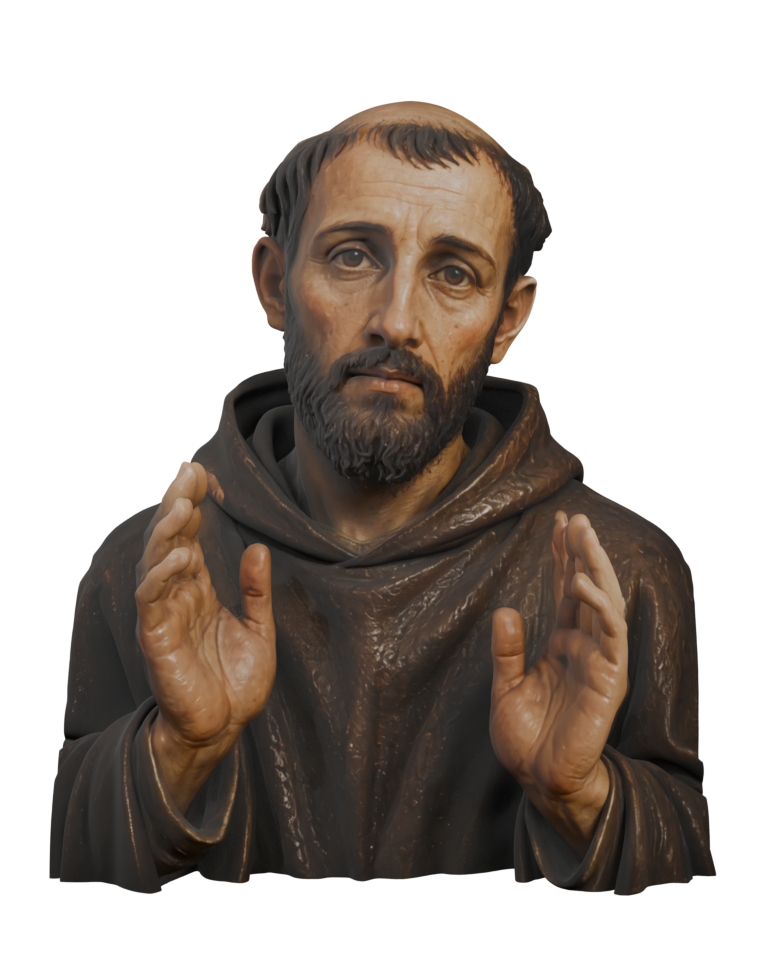
Lives that walk beside Saint Ignatius of Loyola, chosen for their likeness, not their fame.