Pentecost: What the Feast Is, When It Falls, How to Keep It
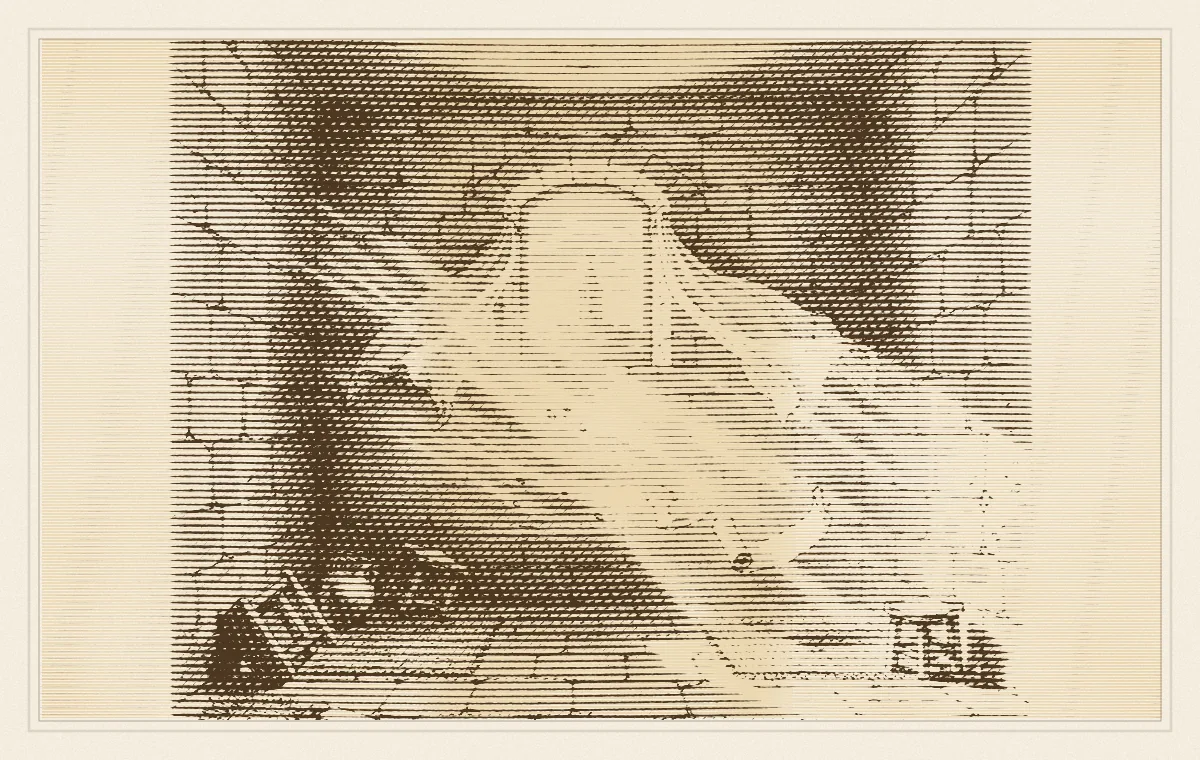
Jerusalem was crowded that morning. Pilgrims had come from every province under heaven to keep Shavuot, the Jewish feast of weeks, fifty days after Passover, when the first grain of harvest was offered and the giving of the Law at Sinai was remembered. In a room above the city, the followers of the risen Jesus were praying together, and the sound came like a wind tearing through the house, and tongues as of fire rested on each of them, and they began to speak so that Parthians and Medes and Elamites, Cretans and Arabs, each heard the message in his own tongue. Peter stood and preached, and three thousand were baptized before the day was out. This is Pentecost.
What Is Pentecost
Pentecost is the feast of the Holy Spirit's descent on the apostles in Jerusalem, recorded in the second chapter of Acts, and it is kept as the day the Church received the power to carry its mission to every nation. Christians have long called it the Church's birthday, not because nothing existed before that morning, but because what had gathered in fear behind a locked door went out that same afternoon unafraid, preaching in languages its members had never learned, baptizing strangers by the thousand. The wind and the fire were not decoration. They were the oldest biblical signs of the presence of God, the wind that moved over the waters at creation, the fire that burned in the bush and led Israel through the desert, now resting on ordinary men and women gathered to wait and pray.
It matters that Pentecost already had a name and a history before that day. Shavuot marked the giving of the Law on Sinai, written on stone; the Christian Pentecost marks a law written differently, on the heart, by a Spirit poured out rather than a tablet handed down. Readers who want the roots of this feast before its Christian flowering might begin with Blessed Among Women: The Life of Mary, Mother of God, since she was praying in that same upper room, present at both the Church's conception and its birth.
When Pentecost Falls and How It Is Kept
Pentecost falls on the fiftieth day after Easter, always a Sunday, seven full weeks after the Resurrection and ten days after the Ascension. Because Easter itself moves with the lunar calendar, Pentecost moves with it, landing anywhere from mid-May to mid-June depending on the year, but always the fiftieth day, never fixed to a date on the civil calendar the way Christmas is. In the Roman Catholic Church it is a Sunday obligation like any other Sunday, and a vigil Mass kept the evening before fulfills that obligation exactly as a Saturday vigil does on any ordinary weekend.
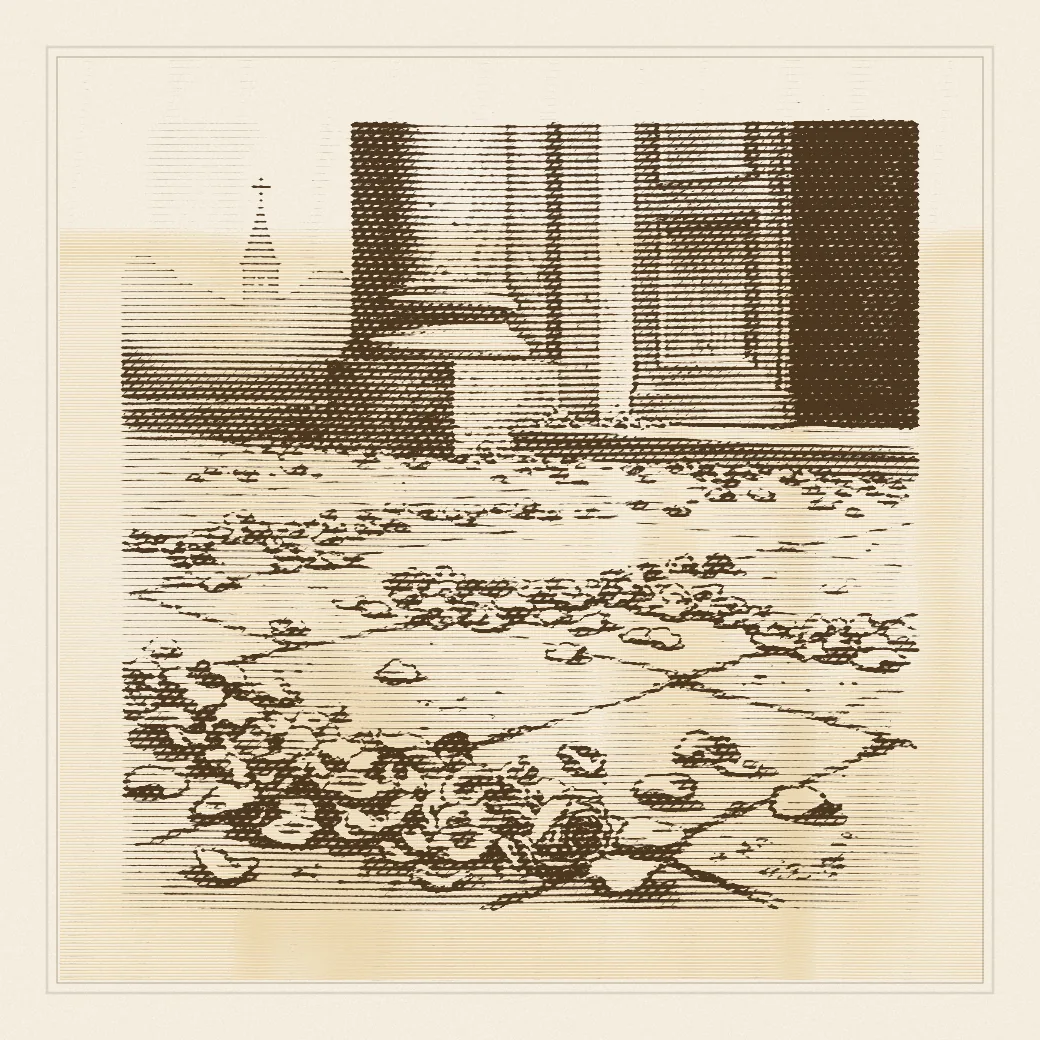
Red is the color of the day, worn by priests and often by the whole congregation, because red is the color of fire and of the tongues that rested on the apostles' heads. In parts of Italy, rose petals are dropped from the ceiling of the church during the Mass, falling like the fire itself over the heads of the people below; this is called Pentecoste dei Fiori, Pentecost of the Flowers. In England the day was long called Whitsunday, White Sunday, for the white garments of those newly baptized at the feast, since Pentecost was historically one of the Church's great baptismal days alongside Easter. The sequence sung before the Gospel, Veni Sancte Spiritus, Come Holy Spirit, is one of the oldest and most loved hymns in the Western liturgy, and the readings for the day return every year to Acts 2 and to the Gospel promise of an Advocate who will teach and remind.
Lives That Carry the Fire
Saint Peter stood up on the first Pentecost and preached the sermon that turned three thousand hearts in an afternoon; The Rock: A Life of Saint Peter, Prince of the Apostles follows the fisherman from his first stammering faith to that bold morning and beyond.
Saint Paul never stood in the upper room, but no life answers the Spirit's gift of tongues and nations more fully than his, carried from Damascus to Rome on journeys that crossed every frontier the ancient world had drawn; Apostle to the World: The Life of Saint Paul traces that whole arc of fire.
Mary Magdalene was called apostle to the apostles for running first from the empty tomb to tell the others what she had seen, and her life shows that the Spirit's work of sending began before Pentecost and found its fullness there; read it in The Apostle to the Apostles: The Life of Mary Magdalene.
Saint Seraphim of Sarov taught that the entire purpose of the Christian life is the acquisition of the Holy Spirit, and showed a visitor his own face lit from within like the sun to prove the Spirit could be had, not merely believed in; his life is told in The Wonderworker of Sarov: A Life in Three Books.
Saint Basil the Great wrote the treatise that settled, against real opposition, that the Holy Spirit is fully God, worshipped and glorified with the Father and the Son; his life and that defense are told in The Great One: A Life of Basil of Caesarea.
Saint Gregory of Nazianzus, called simply the Theologian, preached some of the Church's clearest teaching on the Spirit's person and gave Pentecost its deepest doctrinal grounding; The Theologian: A Life of Saint Gregory of Nazianzus follows the friend of Basil who found the words for what the fire meant.
Saint Hildegard of Bingen saw the Spirit as a burning, living light moving through creation and composed to the Spirit some of the most searching hymns the Church possesses, calling it the fire within the fire; her visions and her life are gathered in The Living Light: A Life of Saint Hildegard of Bingen.
Every one of these lives opens free as an Invitation volume before the fuller three-volume telling, and the whole shelf of free beginnings can be found at /free/.
Questions readers ask
What does the word Pentecost mean?
Pentecost comes from the Greek word for fiftieth, pentekoste, marking the fiftieth day after Easter, just as the Jewish feast of Shavuot falls fifty days after Passover.
Why is Pentecost called the birthday of the Church?
Because the apostles, who had been hiding in fear, went out that same day preaching boldly in languages they had never learned, and three thousand people were baptized, so the visible, public mission of the Church is reckoned from that morning.
How many days after Easter is Pentecost, exactly?
Pentecost is the fiftieth day after Easter Sunday, counting Easter itself as the first day, which places it seven full weeks later, always on a Sunday.
What is the main Bible passage for Pentecost?
Acts chapter two describes the rushing wind, the tongues of fire, the disciples speaking in other languages, and Peter's sermon that led to three thousand baptisms that day.
Why is red worn on Pentecost Sunday?
Red recalls the tongues of fire that rested on the apostles and symbolizes the burning presence and power of the Holy Spirit.
Is Pentecost a Holy Day of Obligation?
In the Roman Catholic Church, Pentecost falls on a Sunday and carries the ordinary Sunday obligation to attend Mass, the same as any other Sunday of the year.
Does a Saturday vigil Mass count for Pentecost?
Yes, a vigil Mass celebrated on Saturday evening fulfills the Sunday obligation for Pentecost exactly as it does for any other Sunday.
What is the connection between Pentecost and Shavuot?
Shavuot is the Jewish harvest feast marking the giving of the Law at Sinai, kept fifty days after Passover; the apostles were gathered in Jerusalem for this feast when the Holy Spirit descended, so the Christian Pentecost inherits its timing and its theme of a covenant renewed.
What is Whitsunday?
Whitsunday is the older English name for Pentecost, referring to the white baptismal garments worn by those baptized at the feast, since Pentecost was historically one of the Church's principal days for baptism.
Was the speaking in tongues at Pentecost the same as modern glossolalia?
Acts describes the apostles being understood by a crowd of foreign pilgrims each in their own native language, a sign of real languages being spoken and heard, distinct from private ecstatic speech.
What is the Pentecost sequence sung at Mass?
Veni Sancte Spiritus, Come Holy Spirit, is the ancient hymn sung before the Gospel on Pentecost Sunday, one of the oldest sequences still used in the Western liturgy.
How is Pentecost different from Easter?
Easter celebrates the Resurrection of Christ from the dead; Pentecost, fifty days later, celebrates the outpouring of the Holy Spirit on the apostles and the public beginning of the Church's mission.
Where is a good place to start reading about Pentecost figures?
Saint Peter's life is a natural starting point, since he preached the first Pentecost sermon, and his free Invitation volume is available before the fuller telling.
Keep reading
The shelf is open
Every life in the house is told in three volumes from within its tradition, and every one begins with a free Invitation.