Sant Tukaram Maharaj: Tukaram Beej, Dehu, and His Abhangas
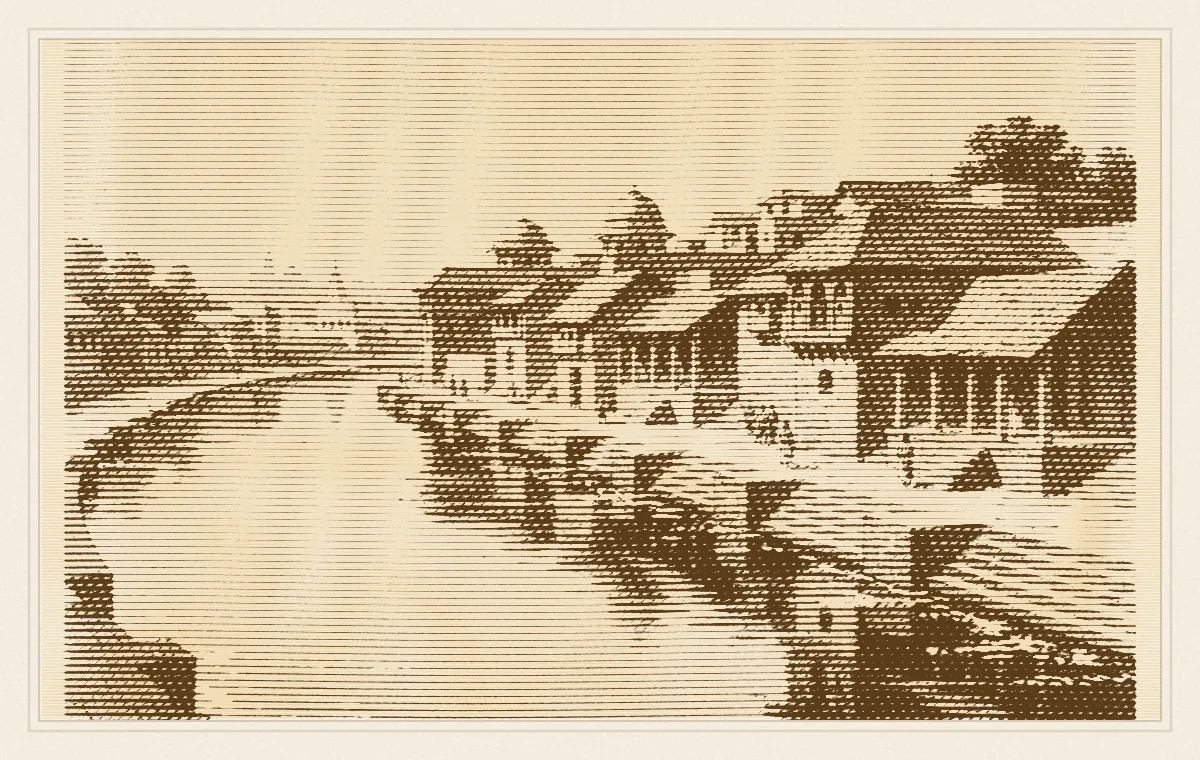
Dehu sits on the Indrayani river, a grain-market town in the hills above Pune, and it was here that a struggling grocer named Tukaram Bolhoba Ambile buried his first wife and children in a famine, watched his trade collapse under debt, and turned toward God rather than away from Him. Tukaram Maharaj did not set out to become the great poet-saint of the Varkari Sampradaya. He set out to feed his family. When that failed, he sang, and the songs that came out of him, abhangas in plain Marathi, closing almost without exception on the humble signature Tuka mhane, Tuka says, became some of the most loved devotional poetry Maharashtra has ever kept.
When the orthodox pandits of his day judged his verses unfit for a man of his caste to have written, they had his palm-leaf manuscripts thrown into the Indrayani. Tukaram Maharaj sat on the riverbank and fasted. On the thirteenth day the river gave the leaves back, dry and whole, still singing of Vitthal standing on His brick at Pandharpur, waiting the way He has always waited for anyone who walks toward Him. That return from the river is why Maharashtra remembers him not only as a poet but as a man the river itself refused to let be silenced.
What Tukaram Beej Marks, and How Dehu Keeps It
Tukaram Beej marks the day Tukaram Maharaj left this world, which the Varkari tradition keeps not as a death but as Sadeha Vaikunth Gaman, a bodily departure to Vaikuntha, the abode of Vishnu, while he was still in the flesh, lifted up mid-kirtan on the banks of the Indrayani at Dehu. The day falls on Phalgun Vadya Dwitiya, the second day of the dark fortnight of the lunar month of Phalgun, and because the Varkari calendar is lunisolar rather than fixed to the civil year, Tukaram Beej lands on a different Gregorian date season after season. Devotees check the Panchang each year rather than a fixed date on the wall calendar.
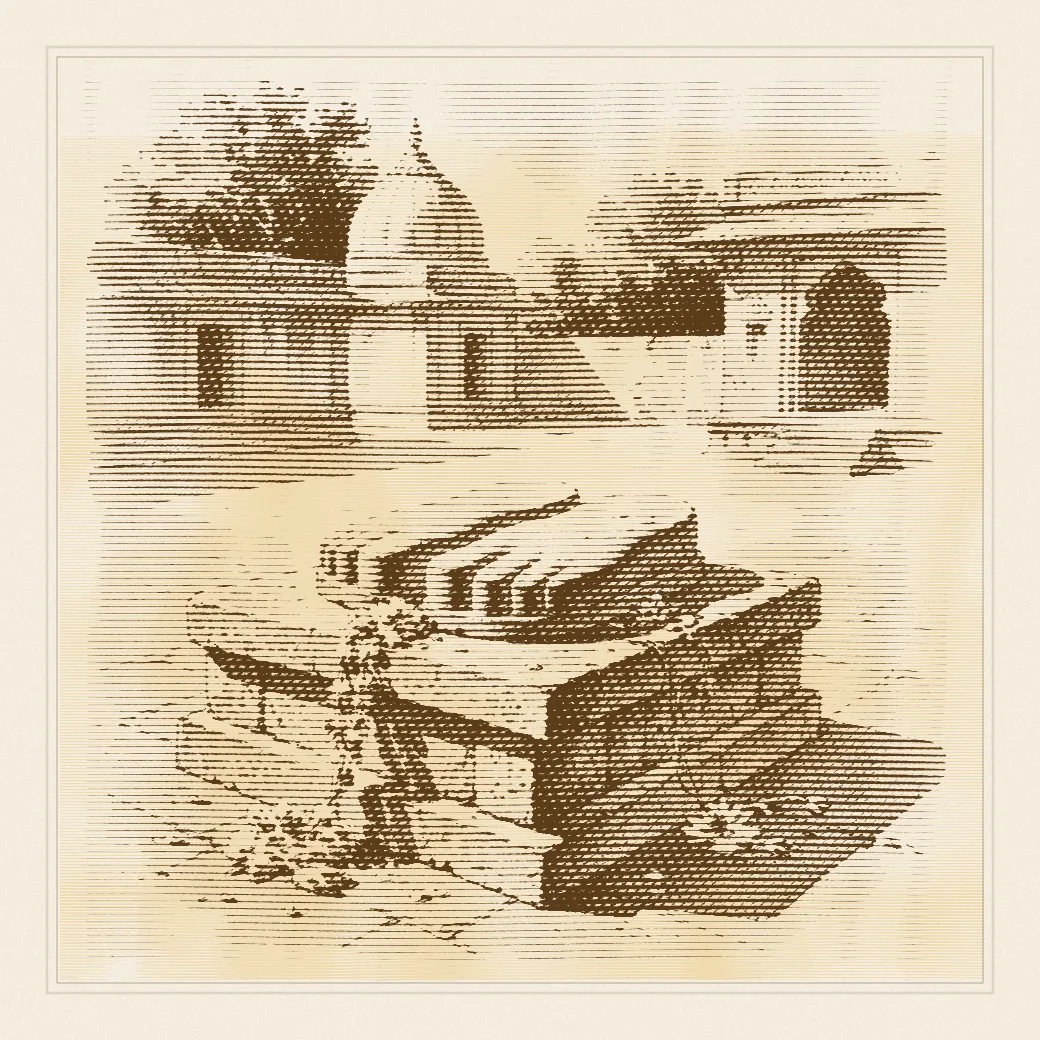
At Dehu the day is kept with an overnight vigil, kirtan and abhang recitation building toward dawn, when the paduka, the stone footprints of Tukaram Maharaj kept at his samadhi, receive puja from a line of pilgrims that can stretch the length of the town. Numbers run into the tens of thousands at Dehu on the day, the ordinary quiet of the grain market giving way to unbroken singing, Tuka mhane rising from a hundred throats at once. A Nandurki tree stands near the samadhi, and devotees watch its leaves at the hour his ascension is remembered, reading the smallest tremor in its branches as the tree keeping its own memory of the saint who is held to have sat so often in its shade.
Jayanti and Beej Are Not the Same Day
Tukaram Jayanti marks his birth, kept on Magh Shuddha Panchami, the same day the wider calendar keeps as Vasant Panchami in early spring. Tukaram Beej marks his departure, kept weeks later on Phalgun Vadya Dwitiya. The two are easy to confuse, since both are major Varkari dates and both are kept with particular devotion at Dehu, but one opens a life and the other closes it, and in the Varkari telling it does not truly close at all, since Tukaram Maharaj is held to have gone up whole rather than to have died in the ordinary way.
The Wari That Never Stopped Walking
The Pandharpur Wari is the annual walking pilgrimage that carries Tukaram Maharaj's padukas from Dehu toward the temple of Vitthal at Pandharpur, timed to arrive by Ashadhi Ekadashi, the great eleventh-day feast of the bright fortnight of Ashadh. Lakhs of Warkaris walk the route over roughly two to three weeks each season, organized into dindis, singing bands that keep the abhangas moving the whole distance, sleeping in fields, eating from common kitchens along the road, carrying no banner but devotion. The Dehu palkhi and the parallel palkhi of Sant Dnyaneshwar from Alandi are the two great processions of the Wari, and where their roads converge the whole highway seems to sing at once.
Ashadhi Ekadashi, like Tukaram Beej, is reckoned by the lunar calendar, so its date on the civil calendar shifts year to year as well; the Wari is best tracked by the Panchang and by the local schedules towns along the route publish as the date nears, rather than by any fixed Gregorian date. What the pilgrims carry on that road is not biography. It is song, the same abhangas that closed on Tuka mhane four centuries ago, still doing the work they were written to do: carrying an ordinary person's grief and hunger and love straight to the God who waits.
What to Read for the Feast
For the life behind the feast, from the famine and grief that made a failing grocer into a saint, The Indrayani Knows His Name is where to begin, and it opens the house's full telling of Tukaram Maharaj's life, free to start with as the Invitation volume.
For the songs themselves, thrown into the river and given back unbroken after thirteen days, Tuka Mhane: Tuka Says is the volume to open. For Tukaram Beej itself, and the departure the day keeps, Says Tuka: Thou and I Are One Light sits inside that last kirtan on the Indrayani and the Gatha his songs became, a lamp passed hand to trembling hand through every Wari since. Together the three volumes, gathered as the full trilogy, read as one unbroken life, and readers who want every saint's life the house keeps will find the whole library through membership.
Questions readers ask
When is Tukaram Beej?
Tukaram Beej falls on Phalgun Vadya Dwitiya, the second day of the dark fortnight of the lunar month of Phalgun, a date fixed on the Hindu lunisolar calendar rather than the civil calendar, so it lands on a different Gregorian date each season. Check a current Panchang for the exact date in a given year.
How do you pronounce Tukaram?
Too-ka-raam, with even stress on each syllable; devotees address him with the honorific Maharaj, as Tukaram Maharaj.
Is Tukaram Beej his birthday or his death anniversary?
Neither, exactly: it marks his departure from the world, which the Varkari tradition keeps not as death but as Sadeha Vaikunth Gaman, a bodily ascension. His birth is kept separately as Tukaram Jayanti.
What is the difference between Tukaram Jayanti and Tukaram Beej?
Tukaram Jayanti is his birth anniversary, kept on Magh Shuddha Panchami, the same day as Vasant Panchami. Tukaram Beej is his departure, kept later in the year on Phalgun Vadya Dwitiya.
What does Sadeha Vaikunth Gaman mean?
It means bodily departure to Vaikuntha, Vishnu's abode, while still in the flesh rather than through ordinary death. Tukaram Maharaj is held to have ascended this way mid-kirtan on the Indrayani riverbank at Dehu.
Why does the Nandurki tree in Dehu shake on Tukaram Beej?
A Nandurki tree stands near his samadhi, and devotees watch for a tremor in its leaves at the hour his ascension is remembered, reading it as the tree's own memory of the saint who sat in its shade.
Where is Tukaram Maharaj's shrine?
His samadhi and the paduka associated with him are kept at Dehu, on the Indrayani river in the hills above Pune, Maharashtra.
Did the manuscripts really return from the river after thirteen days?
The manuscripts, thrown into the Indrayani on the orders of a rival pandit, returned to Tukaram Maharaj after thirteen days of his fasting on the riverbank, dry and unharmed; this is one of the most cherished events devotees recount of his life.
What did Tukaram actually write?
He composed abhangas, devotional songs in Marathi addressed to Vitthal, gathered after his lifetime into the collection known as the Tukaram Gatha, which passed through generations of oral and written transmission.
Where should I start reading Tukaram Maharaj's work?
Begin with the free Invitation volume covering his early life, then move to the volume of his songs, which carries the story of the manuscripts and the river.
How many devotees attend Tukaram Beej at Dehu?
Crowds at Dehu on Tukaram Beej typically run into the tens of thousands, filling the town for a night of continuous kirtan and abhang recitation.
What rituals take place on Tukaram Beej?
An overnight vigil of kirtan and abhang singing builds toward dawn, when the paduka at his samadhi receive puja and pilgrims file past in long lines.
What is the Pandharpur Wari and how does it connect to Tukaram Maharaj?
The Wari is the annual walking pilgrimage carrying his padukas from Dehu to the temple of Vitthal at Pandharpur, timed to arrive by Ashadhi Ekadashi, with lakhs of Warkaris walking in singing groups called dindis.
When does the Dehu palkhi depart and when is Ashadhi Ekadashi?
Both are set by the lunar calendar, the palkhi departing weeks ahead so as to reach Pandharpur by Ashadhi Ekadashi in the bright fortnight of Ashadh; exact civil dates shift yearly and are published locally as the season nears.
Keep reading
Read the life entire
Sant Tukaram Maharaj (Tukaram Bolhoba Ambile) is one of the lives on the house shelf, a three-volume life told from within the tradition, in ebook, audiobook, and print.
Begin reading, freeAbout this life
The Man the River Kept: a complete book, free. One email opens it: no password, no card.